Introduction
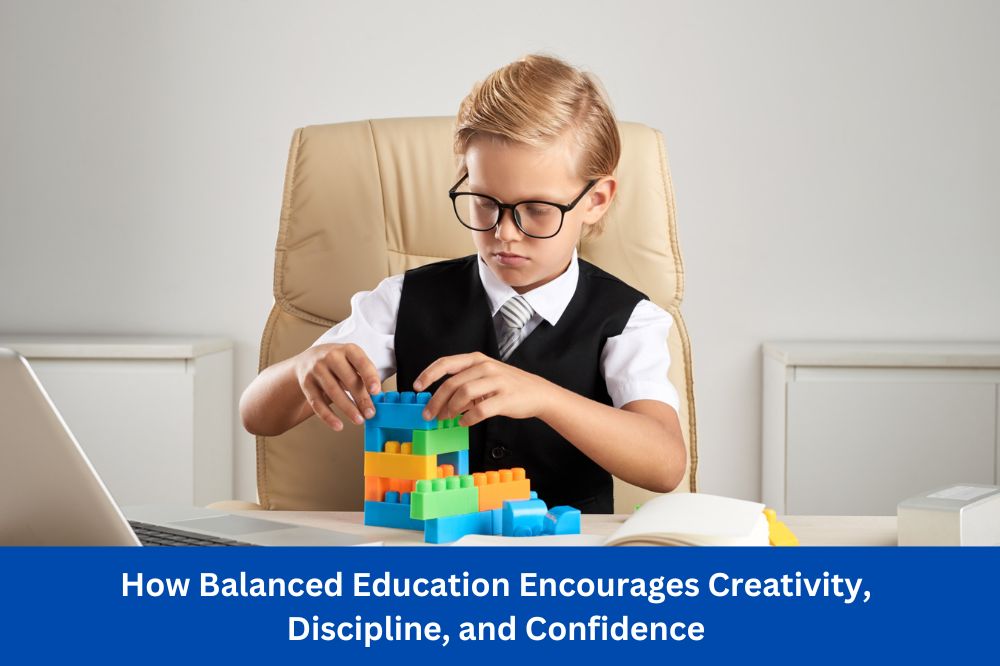
The search for quality education begins with understanding what truly matters. When parents look for the best schools in Chandigarh, they seek institutions that develop not just academically strong students, but well-rounded individuals equipped with creativity, discipline, and unshakeable confidence. Balanced education represents this comprehensive approach—a teaching philosophy that recognizes student development extends far beyond textbooks and examinations. Modern pedagogical research confirms that children thrive when their schools nurture multiple dimensions of growth simultaneously. This article explores how integrated educational approaches foster creative thinking, instill disciplinary values, and build the self-assurance necessary for lifelong success. Understanding these principles helps families make informed decisions when choosing educational institutions that align with their values and aspirations.
Understanding the Foundations of Balanced Education
The Core Philosophy
Balanced education integrates academic rigor with holistic development. Rather than compartmentalizing learning, this approach weaves together:
- Rigorous academic coursework
- Creative and artistic expression
- Physical development and wellness
- Emotional intelligence cultivation
- Character and leadership training
- Social responsibility initiatives
This integration ensures students develop intellectually, creatively, physically, and emotionally in tandem. Schools embracing this philosophy recognize that future success requires multidimensional skill development.
Why Modern Education Demands Balance
Today’s competitive landscape requires individuals who can think critically, adapt quickly, and collaborate effectively. Employers consistently report seeking candidates with:
- Strong problem-solving capabilities
- Creative innovation skills
- Emotional intelligence and teamwork ability
- Resilience and adaptability
- Clear communication proficiency
Balanced education systematically develops these competencies alongside traditional academics.
How Creativity Flourishes in Balanced Educational Settings
Creating Environments for Imaginative Thinking
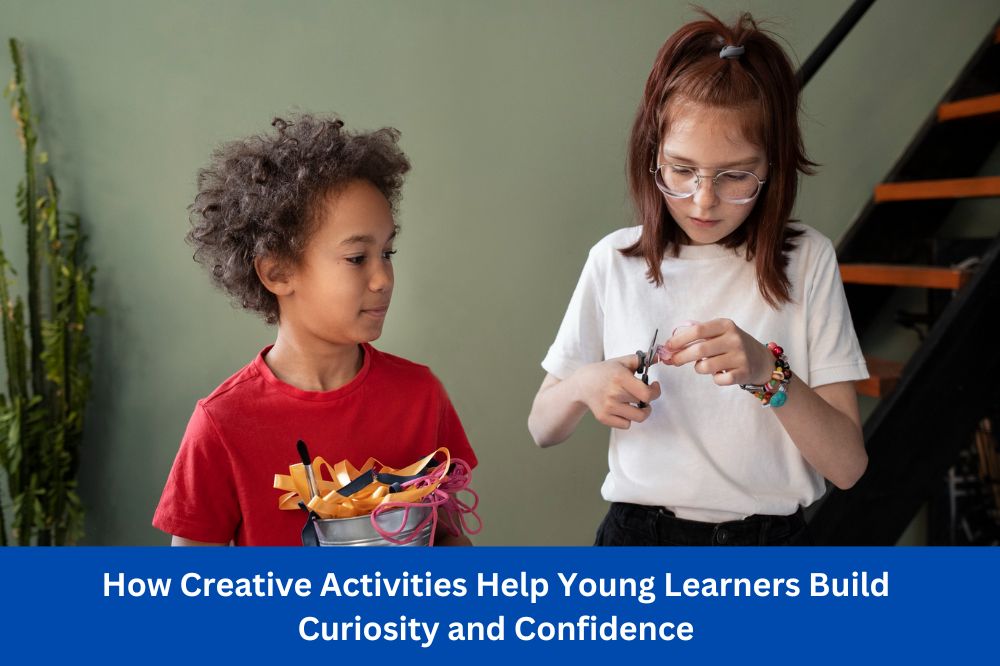
Institutions committed to creativity provide diverse platforms for original expression:
- Visual arts programs with professional instruction
- Music education spanning multiple genres and instruments
- Theater and performance opportunities
- Creative writing and literature workshops
- Design thinking and innovation laboratories
- Science exploration with experimental methodology
These programs aren’t supplementary; they form essential components of comprehensive learning.
The Science Behind Creative Development
Research in developmental psychology demonstrates that creative thinking requires safe spaces for experimentation and failure. When students engage in artistic pursuits, they learn to:
- Take intellectual risks without fear of failure
- Explore multiple solutions to complex problems
- Develop original perspectives and ideas
- Connect disparate concepts innovatively
- Build confidence through creative achievement
Cross-Disciplinary Learning Stimulates Innovation
When students understand how mathematics underlies music, how chemistry informs culinary arts, and how history contextualizes current events, creative thinking deepens. Integrated curricula show students that knowledge domains overlap and interconnect, enabling:
- Novel problem-solving approaches
- Transfer of learning across subjects
- Enhanced retention through multiple contexts
- Development of sophisticated thinking patterns
- Greater appreciation for knowledge’s interconnected nature
Real-World Application of Creative Skills
Balanced schools connect creative learning to meaningful projects:
- Community service initiatives requiring innovative solutions
- Student-led research projects
- Entrepreneurship and business planning activities
- Environmental conservation programs
- Social enterprise development
These authentic applications demonstrate creativity’s practical value beyond classroom walls.
The Critical Role of Discipline in Academic and Personal Success
Understanding Discipline as Empowerment, Not Restriction
Effective schools reframe discipline as a personal development tool rather than punitive measure. True discipline involves:
- Self-regulation and impulse control
- Commitment to long-term goals
- Consistent effort despite challenges
- Responsibility for choices and outcomes
- Respect for structures enabling collective success
Students who internalize these values develop agency and autonomy.
Building Disciplinary Habits Through Structure
Educational institutions foster discipline through:
- Clear expectations and consistent reinforcement
- Progressive responsibility advancement
- Meaningful feedback mechanisms
- Collaborative goal-setting processes
- Recognition systems rewarding effort and persistence
This structured approach teaches students that discipline facilitates rather than constrains personal growth.
Discipline’s Academic Impact
Students with strong disciplinary habits demonstrate:
- Superior academic performance and achievement
- Better time management and organization
- Improved focus and concentration abilities
- Greater persistence through challenging material
- More effective study strategies and learning approaches
These habits compound over time, creating increasingly stronger academic trajectories.
Transferable Life Skills Development
Discipline cultivated in school extends throughout life:
- Professional success and career advancement
- Financial responsibility and planning
- Sustained health and fitness routines
- Meaningful relationship development and maintenance
- Personal growth and continuous learning commitment
Students recognizing discipline’s value become more intentional about all life areas.
Building Unshakeable Confidence Through Educational Excellence
Success Across Multiple Domains
The best schools in Chandigarh ensure students experience achievement in varied contexts. Consider how a student struggling in mathematics but excelling in athletics, debate, or performing arts discovers confidence through diverse success pathways. This comprehensive achievement landscape ensures:
- Every student finds areas of genuine strength
- Academic struggles don’t define self-worth
- Multiple intelligences receive recognition
- Confidence builds through authentic accomplishment
- Students develop balanced self-assessment abilities
Recognition Systems Celebrating Diverse Achievement
Balanced institutions implement recognition frameworks valuing:
- Academic excellence and scholarly achievement
- Athletic prowess and physical excellence
- Artistic and creative accomplishments
- Leadership and service contributions
- Personal growth and effort demonstration
- Intellectual curiosity and questioning
When schools celebrate multifaceted achievement, students understand their value encompasses broader dimensions than grades alone.
Confidence Through Challenging Experiences
Authentic confidence emerges from successfully navigating manageable challenges. Balanced schools provide:
- Public speaking and presentation opportunities
- Collaborative group projects with peer leadership
- Mentored leadership roles with appropriate support
- Performance venues with adequate preparation
- Community service requiring new skill development
- Academic competitions in varied subjects and disciplines
Each successfully completed challenge incrementally strengthens self-assurance.
Self-Knowledge Informing Authentic Decision-Making
Exposure to diverse activities enables students to understand their genuine interests, strengths, and values. This self-knowledge supports:
- Informed academic and career pathway selection
- Authentic relationship building
- Stronger mental health and wellbeing outcomes
- Genuine self-expression and identity development
- Reduced anxiety about conforming to external expectations
Excellence in Practice: Standards of Best Schools in Chandigarh
Comprehensive Curriculum Development and Implementation
Leading institutions maintain rigorous standards through:
- Highly qualified faculty with subject matter expertise
- Modern facilities supporting hands-on, experiential learning
- Technology integration enhancing pedagogical effectiveness
- Regular curriculum review and continuous improvement
- Alignment with national standards and international benchmarks
Banyan Tree School Chandigarh exemplifies this commitment to educational excellence by integrating contemporary teaching methodologies with foundational educational values.
Robust Extracurricular Programming
Quality schools invest substantially in programs extending beyond academics:
- Sports academies with certified professional coaching
- Art studios and music conservatory-style instruction
- Coding clubs, robotics teams, and innovation labs
- Environmental conservation and sustainability initiatives
- Cultural preservation and heritage programs
- Community service and social responsibility projects
These programs represent integral institutional commitments, not peripheral additions.
Holistic Student Development Infrastructure
Excellent schools establish comprehensive support systems:
- Emotional intelligence and social-emotional learning curriculum
- Conflict resolution and restorative justice programs
- Stress management and wellness training
- Character education and ethical development
- Counseling services and mentorship programs
- Parent partnership and communication systems
Academic Excellence as the Foundation
Maintaining Rigorous Educational Standards
Balanced education doesn’t compromise academic rigor. Quality institutions ensure:
- Challenging curricula promoting critical and analytical thinking
- Regular assessment with personalized, constructive feedback
- Advanced learning opportunities for high-achieving students
- Additional support systems for students requiring extra assistance
- Integration of contemporary research and pedagogical best practices
This dual commitment ensures no student falls behind while providing sufficient challenge for advanced learners.
Teacher Quality and Professional Development
Schools serious about excellence invest in teacher development:
- Continuous professional development and training opportunities
- Contemporary pedagogy and instructional methodology workshops
- Mentorship and collaborative planning time
- Access to educational research and evidence-based practices
- Opportunities for advanced certification and specialization
Outstanding teachers represent the cornerstone of any excellent educational system.
Long-Term Benefits and Outcomes
Students receiving balanced education consistently demonstrate:
- Enhanced Academic Performance: Engagement across multiple domains strengthens overall learning and retention
- Superior Mental Health: Diverse activities and success experiences reduce stress, anxiety, and depression
- Developed Social Competence: Collaborative programs build genuine interpersonal and communication skills
- Career Readiness: Diverse skill development and confidence prepare students for varied professional pathways
- Sustained Life Satisfaction: Well-rounded individuals report greater happiness and fulfillment across life domains
Selecting Quality Education: A Parent’s Practical Guide
When evaluating the best schools in Chandigarh for your child, systematically assess:
Academic Quality
- Curriculum rigor and alignment with standards
- Faculty qualifications and experience
- Student academic achievement and college placement rates
Creative and Artistic Opportunities
- Visual arts, music, and theater programming
- Quality of instructors and facilities
- Student participation rates and showcasing opportunities
Physical Development Programs
- Athletic offerings and coaching quality
- Fitness and wellness curriculum
- Sports achievement and participation levels
Character and Discipline Development
- Explicit character education programs
- Discipline and behavior management philosophy
- Student leadership opportunities
Facilities and Resources
- Modern classrooms and technology
- Specialized facilities for arts, science, athletics
- Library and learning resources
- Overall campus maintenance and safety
School Culture and Values
- Mission alignment with your family values
- Community engagement and inclusivity
- Student and parent satisfaction levels
- Teacher turnover and retention
Support Systems
- Counseling and student support services
- Parent communication and involvement
- Special needs accommodations and inclusion
Conclusion
Balanced education represents the most effective approach to developing well-rounded individuals who possess creativity, discipline, and genuine confidence. When families seek the best schools in Chandigarh, prioritizing institutions committed to this comprehensive philosophy yields transformative benefits. Schools that successfully integrate rigorous academics with artistic expression, that balance freedom with structure, and that recognize each student’s multifaceted potential create environments where genuine excellence flourishes. The investment in quality education at reputable institutions makes an immeasurable difference in shaping successful, confident, and creative individuals prepared for lifelong learning and meaningful societal contribution.
Take Action Today: Begin your search for the right educational fit immediately. Visit schools in your area, observe classroom environments, speak with educators about their philosophy, and ask specific questions about how they foster creativity, discipline, and confidence. Attend open houses, review outcomes data, and trust your instincts about school culture. Your child’s educational journey is too important to leave to chance—make an informed decision about the institution that will shape their future.
Frequently Asked Questions
Q. 1 What age should balanced education begin?
Ans : Balanced education principles should begin in early childhood education. Even in preschool and kindergarten settings, exposure to varied activities—including creative play, physical movement, structured learning, and social interaction—establishes essential foundations for later academic and personal development.
Q. 2 How does balanced education differ from traditional schooling approaches?
Ans : Traditional education typically emphasizes academic achievement as the primary measure of success. Balanced education broadens this perspective by integrating academics with arts, sports, emotional development, character building, and leadership training. This holistic approach recognizes that children are multidimensional learners who benefit from diverse experiences and multiple pathways to success.
Q. 3 How do schools measure success in balanced education programs?
Ans : Comprehensive schools employ multifaceted assessment methods including traditional academic testing, portfolios of creative work, physical fitness evaluations, behavioral and character assessments, student self-reflection on goal achievement, parent feedback, and longitudinal tracking of student outcomes.
Q. 4 What role should parents play in supporting balanced education?
Ans : Parents support balanced education by encouraging exploration of diverse activities, recognizing and celebrating achievements across all domains, maintaining open communication with educators, creating home environments valuing intellectual and creative growth, modeling balanced lifestyle practices, and actively participating in school initiatives and community engagement.
Q. 5 What facilities should quality schools maintain?
Ans : Quality educational institutions should include modern classrooms with technology integration, equipped science and computer laboratories, functional sports facilities and playing fields, art studios and music rooms, theater and performance venues, comprehensive libraries with digital resources, counseling centers, and secure, well-maintained campus environments.
Q. 6 How can students maintain healthy balance between multiple commitments?
Ans : Schools should provide structured timetables preventing over-commitment, counseling on activity selection based on interests and capacity, explicit time management training, priority-setting workshops, regular wellbeing check-ins, and flexible scheduling options accommodating individual student needs and family circumstances.