Introduction
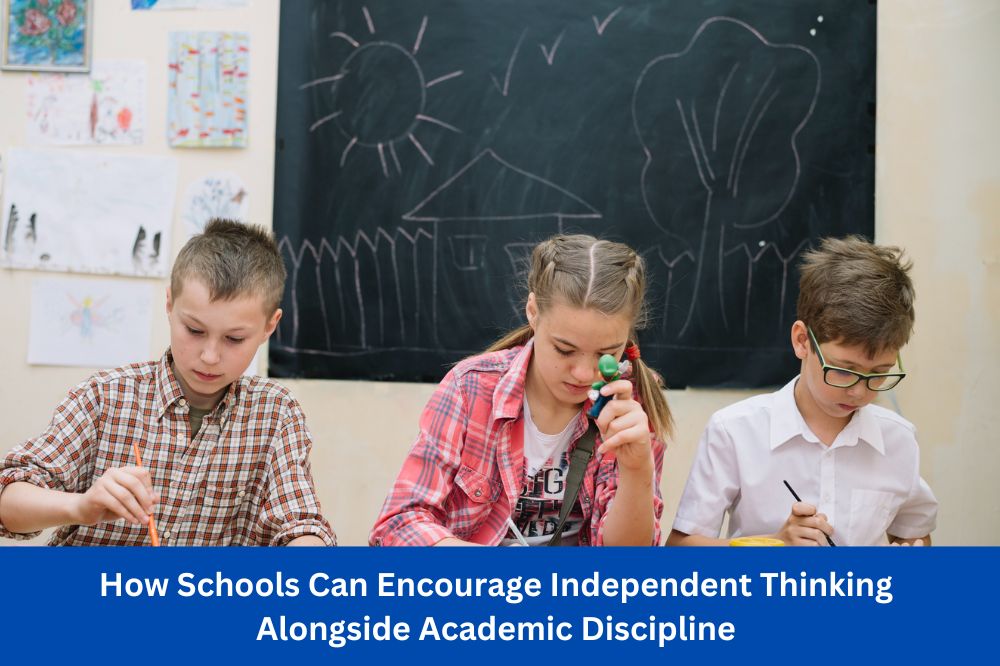
The modern educational landscape demands a delicate balance between fostering independent thinking and maintaining academic discipline. When evaluating best schools in Tricity, forward-thinking parents recognize that excellence requires both rigorous academic standards and cultivation of critical thinking skills. Traditional education often emphasized compliance and conformity, yet today’s complex world demands innovative, independent thinkers capable of analyzing information critically and generating creative solutions. The schools in Tricity understand that discipline and independent thinking are not opposing forces—rather, they complement each other when implemented thoughtfully.
Academic discipline provides the structure and foundational knowledge necessary for meaningful independent thought, while independent thinking transforms disciplined learning into genuine understanding and innovation. This comprehensive guide explores how schools can deliberately cultivate both qualities, examining pedagogical strategies, classroom practices, and institutional philosophies that support students in becoming both disciplined learners and independent thinkers.
Understanding the Relationship Between Discipline and Independent Thinking
Redefining Discipline in Modern Education
Contemporary discipline differs fundamentally from traditional approaches:
- Discipline as self-regulation rather than external control
- Development of internal motivation and personal responsibility
- Understanding connections between actions and consequences
- Building executive function and metacognitive skills
- Creating structures supporting learning rather than restricting thought
- Teaching time management and organizational systems
- Developing persistence and resilience through challenges
- Fostering commitment to continuous improvement
Modern discipline empowers rather than constrains student thinking.
Independent Thinking Beyond Rebellion
True independent thinking requires more than questioning authority:
- Critical analysis of information from multiple sources
- Evaluation of evidence quality and credibility
- Recognition of personal biases and perspectives
- Willingness to revise thinking with new information
- Respectful engagement with differing viewpoints
- Logical reasoning and evidence-based conclusions
- Creative problem-solving and innovation
- Ethical consideration of ideas and their implications
Genuine independent thinking combines critical analysis with intellectual responsibility.
The Complementary Nature of Both Qualities
Discipline and independent thinking strengthen each other:
- Discipline provides foundation for meaningful independent thought
- Academic rigor enables sophisticated intellectual engagement
- Independent thinking prevents discipline from becoming mere conformity
- Critical analysis deepens understanding of disciplined content
- Structured learning creates platform for intellectual exploration
- Questioning skills improve quality of disciplined work
- Personal responsibility enhances independent investigation
- Thoughtful compliance supersedes blind obedience
The integration of both qualities produces superior educational outcomes.
Pedagogical Strategies Supporting Both Elements
Inquiry-Based Learning Frameworks
Quality approaches incorporate student-driven investigation:
- Students generating their own research questions
- Investigation guided by curriculum standards but driven by curiosity
- Teachers facilitating discovery rather than transmitting information
- Regular opportunities for hands-on experimentation
- Analysis of findings and drawing evidence-based conclusions
- Presentation and discussion of student discoveries
- Refinement of thinking through peer feedback
- Connection of investigations to broader concepts
Inquiry-based learning naturally integrates discipline with independent exploration.
Socratic Questioning in the Classroom
Teachers guide thinking through purposeful questioning:
- Questions encouraging deeper reflection rather than quick answers
- Exploration of assumptions underlying student thinking
- Inviting examination of ideas from multiple angles
- Creating cognitive dissonance prompting rethinking
- Avoiding judgment while encouraging reconsideration
- Building questioning skills through modeling and practice
- Creating safe spaces for intellectual risk-taking
- Demonstrating that uncertainty is part of learning
Socratic dialogue develops critical thinking within structured conversation.
Problem-Based Learning Projects
Structured projects support both discipline and independence:
- Complex, real-world problems requiring analysis
- Students determining investigation approaches
- Research and information gathering to solve problems
- Collaboration with disciplined timelines and expectations
- Multiple solutions possible but requiring justification
- Documentation of thinking process and reasoning
- Presentation and defense of solutions
- Reflection on learning and thinking development
Project-based learning creates contexts for disciplined independent inquiry.
Differentiated Instruction and Learner Choice
Supporting varied learners while maintaining standards:
- Core learning objectives consistent for all students
- Multiple pathways to demonstrating understanding
- Student choice in learning approaches and demonstrations
- Challenge levels adjusted to individual abilities
- Independent work with scaffolded support
- Options within structured frameworks
- Recognition of diverse thinking styles and strengths
- Individualized growth targets alongside standards
Differentiation enables discipline while honoring individual thinking styles.
Creating Classroom Cultures Supporting Critical Thinking
Establishing Psychological Safety for Intellectual Risk-Taking
Students need environments where thinking is valued:
- Teachers responding non-judgmentally to ideas
- Wrong answers treated as learning opportunities
- Valuing reasoning process alongside correct conclusions
- Creating space for uncertainty and “I don’t know yet”
- Respectful disagreement modeled and expected
- Mistakes normalized as part of learning
- Vulnerable thinking welcomed and protected
- Celebration of intellectual courage and questioning
Psychological safety enables students to think independently without fear.
Building Collaborative Discussion Norms
Structured dialogue develops thinking alongside discipline:
- Clear protocols for respectful disagreement
- Expectations for listening to understand different perspectives
- Evidence requirements for claims and assertions
- Building ideas together through discussion
- Teaching disagreement with ideas, not people
- Diverse perspectives actively sought and valued
- Student-led discussions with teacher facilitation
- Metacognitive reflection on discussion quality
Discussion norms teach both disciplined thinking and respectful independence.
Encouraging Productive Struggle and Persistence
Learning requires engaging with difficulty:
- Appropriately challenging tasks supporting growth
- Teaching perseverance and frustration tolerance
- Distinguishing helpful struggle from overwhelming overwhelm
- Celebrating effort and persistence alongside achievement
- Analysis of what strategies work for different problems
- Building confidence through incremental success
- Reframing failure as information for improvement
- Developing growth mindset regarding intelligence
Productive struggle builds both discipline and confidence in independent thinking.
Student Voice and Choice in Learning
Including students in decision-making:
- Choice in learning topics within curriculum frameworks
- Student input on assessment approaches
- Voices heard in classroom and school decisions
- Leadership opportunities with appropriate responsibility
- Student-led initiatives and projects
- Feedback actively solicited and implemented
- Democratic decision-making structures
- Recognition of student expertise and ideas
Student voice validates independent thinking while maintaining academic standards.
Assessment Approaches Supporting Both Elements
Moving Beyond Standardized Testing
Comprehensive assessment methods include:
- Performance assessments requiring application of knowledge
- Portfolio documentation of learning over time
- Project-based assessments addressing real problems
- Discussion and debate demonstrating thinking
- Written explanations of reasoning and process
- Peer and self-assessment building metacognition
- Formative feedback informing improvement
- Standards-based reporting alongside growth documentation
Multiple assessment approaches capture thinking alongside discipline.
Formative Assessment and Student Feedback
Ongoing feedback supports learning:
- Regular, specific feedback on thinking and process
- Questions prompting deeper reflection
- Identification of strengths and growth areas
- Collaborative goal-setting with students
- Adjustment of instruction based on learning data
- Student understanding of assessment criteria
- Opportunity to revise and improve work
- Communication with families about student thinking development
Quality feedback develops both critical thinking and academic discipline.
Rubrics Valuing Thinking and Discipline
Clear standards support both qualities:
- Criteria addressing understanding alongside execution
- Emphasis on reasoning and evidence in evaluation
- Recognition of process alongside product quality
- Descriptors valuing independent thinking
- Standards for both quality and originality
- Self-assessment using same rubrics as teachers
- Growth-oriented language in rubric descriptions
- Connection between discipline and quality outcomes
Well-designed rubrics guide students toward both excellence and independence.
Teacher Development and Support
Professional Learning in Critical Pedagogy
Schools invest in teacher capacity:
- Training in inquiry and discussion-based instruction
- Understanding child development and thinking stages
- Strategies for facilitating rather than directing learning
- Techniques for asking powerful questions
- Assessment methods beyond traditional testing
- Creating psychologically safe learning environments
- Managing diverse perspectives in classrooms
- Integrating discipline with intellectual freedom
Teacher expertise directly impacts student thinking development.
Collaborative Planning and Peer Learning
Teachers strengthen together:
- Collaborative curriculum planning and design
- Peer observation and feedback on instruction
- Discussion of student thinking and learning challenges
- Sharing of effective strategies and practices
- Co-planning of inquiry units and projects
- Analysis of student work and thinking
- Professional learning communities focused on pedagogy
- Time for reflection and instructional improvement
Collaborative teacher cultures improve instructional quality.
Administrative Support for Innovation
Leadership enables pedagogical excellence:
- Prioritizing critical thinking alongside test scores
- Protection of time for inquiry and exploration
- Resources supporting various instructional approaches
- Professional development opportunities and funding
- Flexibility in curriculum implementation
- Recognition and celebration of innovation
- Support for risk-taking and experimentation
- Policies enabling rather than constraining thinking
Administrative vision and support prove essential for systemic change.
Institutional Approaches at Best Schools in Tricity
Integration Across Subject Areas
Quality institutions ensure thinking development:
- Science curriculum built on investigation and hypothesis
- Mathematics teaching conceptual understanding alongside procedures
- Literature study including interpretation and discussion
- History instruction emphasizing evidence analysis
- Arts integration supporting creative thinking
- Technology use promoting research and creation
- Physical education including strategic thinking
- Electives providing choice and specialized interests
Cross-curricular integration strengthens both discipline and thinking.
Extended Learning Opportunities
Beyond regular classes:
- Debate and speech competitions
- Science and mathematics olympiads
- Model United Nations and mock trials
- Clubs focused on diverse interests
- Student-led research and investigation projects
- Mentorship from professionals in various fields
- Community service addressing real needs
- Leadership and student government roles
Extended opportunities deepen both critical thinking and discipline.
Institutional Philosophy Valuing Thinking
Schools like Banyan Tree School, Chandigarh, demonstrate:
- Mission statements explicitly prioritizing thinking
- Curriculum frameworks including thinking standards
- Professional development focused on pedagogy
- Assessment systems valuing thinking processes
- School culture celebrating intellectual curiosity
- Policies supporting teacher innovation and experimentation
- Recognition of both achievement and growth
- Commitment to developing thoughtful, responsible citizens
Institutional alignment ensures consistent emphasis on thinking.
Supporting Student Self-Regulation and Internal Discipline
Developing Metacognitive Skills
Students learning to think about thinking:
- Reflection on learning processes and strategies
- Identification of personal learning strengths and challenges
- Self-monitoring during academic work
- Analysis of what strategies work for different tasks
- Goal-setting and progress tracking
- Evaluation of thinking quality and reasoning
- Adjustment of approaches based on reflection
- Development of self-awareness and self-direction
Metacognition builds both discipline and independent thinking capacity.
Building Executive Function Skills
Supporting self-regulation development:
- Planning and organizing work independently
- Time management and task prioritization
- Breaking complex work into manageable steps
- Working memory support and strategies
- Attention focus and distraction management
- Decision-making processes and frameworks
- Impulse control and delayed gratification
- Flexibility in shifting approaches when needed
Executive function skills enable independent disciplined work.
Intrinsic Motivation Development
Moving beyond external rewards:
- Connecting learning to student interests and values
- Emphasizing mastery and competence development
- Providing autonomy in learning approaches
- Collaborative work maintaining individual thinking
- Purpose-driven projects addressing real issues
- Recognition of internal progress and growth
- Development of personal learning goals
- Celebration of intellectual engagement and curiosity
Internal motivation sustains both discipline and independent thinking.
Conclusion
The most effective schools recognize that independent thinking and academic discipline are not opposing forces but rather complementary qualities that strengthen each other when thoughtfully cultivated. Top schools in Tricity deliberately structure learning experiences, create supportive classroom cultures, and employ pedagogical strategies that develop both critical thinking and disciplined engagement. Students in these institutions learn to think independently within frameworks of academic rigor, to question respectfully within structures of responsibility, and to explore creatively within contexts of standards and expectations. The integration of both qualities produces graduates who are thoughtful problem-solvers, responsible thinkers, and engaged learners capable of contributing meaningfully to society. When selecting educational institutions, parents should evaluate not only academic performance but also the degree to which best schools in Tricity support students in becoming both disciplined learners and independent thinkers—two essential qualities for success in an increasingly complex world.
Frequently Asked Questions
Q. 1 How do schools balance independent thinking with maintaining academic standards?Ans : Quality schools view these as complementary rather than competing goals. They establish clear academic standards and expectations while providing multiple pathways for students to meet those standards through independent investigation and thinking. Teachers facilitate learning rather than simply transmitting information, guide students toward concepts through questioning rather than lecturing, and assess both the quality of student thinking and understanding of core content. This approach often leads to deeper understanding and better retention than traditional instruction alone.
Q. 2 What role does discipline play in developing independent thinking?
Ans : Discipline provides the foundation enabling meaningful independent thought. Academic discipline—through regular study, consistent effort, and attention to detail—builds the knowledge base necessary for sophisticated thinking. Personal discipline—managing time, maintaining focus, and persisting through challenges—enables students to engage in the sustained thinking required for complex problem-solving and innovation. Without this foundation, so-called independent thinking may lack depth, rigor, or grounding in evidence and understanding.
Q. 3 How can teachers encourage questioning without compromising classroom management?
Ans : Quality teachers establish clear norms and expectations for respectful discourse while actively valuing questioning. They teach students that questioning is expected and appreciated, establish protocols for how to ask questions and disagree respectfully, model the thinking and dialogue they expect, and respond non-defensively to challenges to their ideas. These structures actually improve classroom management by channeling student thinking productively rather than suppressing it, which often leads to unproductive resistance or disengagement.
Q. 4 What specific instructional strategies help develop critical thinking?
Ans : Effective strategies include inquiry-based learning where students investigate questions they generate, Socratic questioning that prompts deeper reflection, problem-based learning addressing authentic challenges, collaborative discussion with evidence requirements, case studies requiring analysis from multiple perspectives, debates and discussions of complex issues, and project-based assessments requiring application and synthesis. These approaches should integrate throughout curriculum across subject areas rather than existing in isolated “thinking” lessons.
Q. 5 How should parents support both discipline and independent thinking at home?
Ans : Parents can establish clear expectations and routines supporting discipline while allowing choice within those structures. Ask children open-ended questions about their thinking and reasoning rather than providing answers. Encourage them to consider multiple perspectives on issues. Model critical thinking and respectful disagreement. Limit directive instruction and create space for problem-solving. Celebrate intellectual curiosity and effort alongside achievement. Support productive struggle with challenging material. Maintain balance between structure and autonomy, between guidance and independence—the same balance quality schools maintain.