Introduction
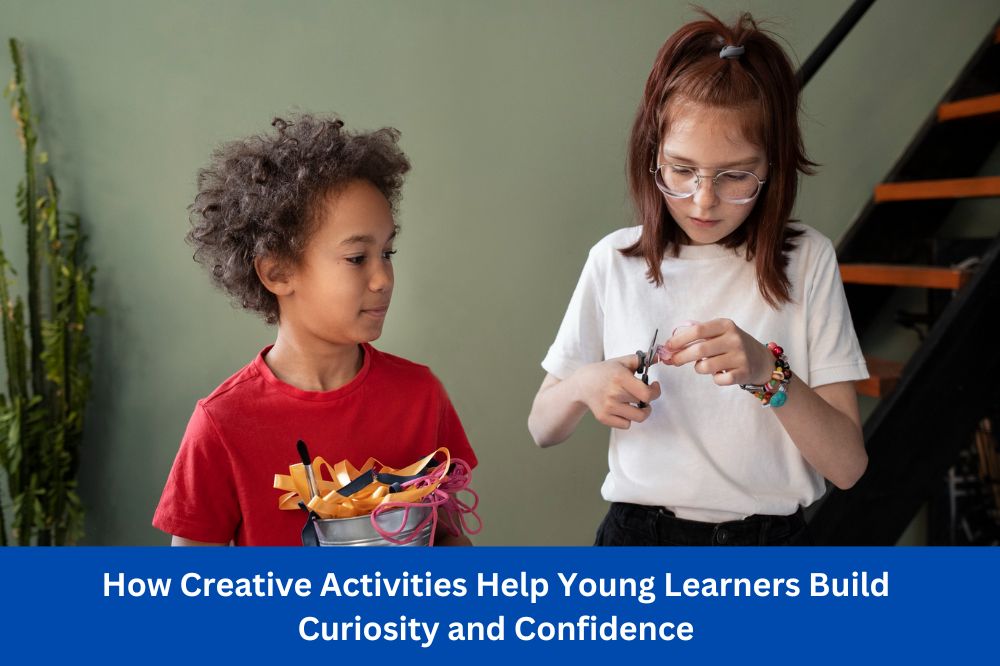
Creative activities represent one of the most powerful tools in modern education for developing young learners’ natural curiosity and self-confidence. When parents evaluate good schools in Chandigarh, they increasingly recognize that institutions prioritizing creative learning environments produce more engaged, inquisitive, and confident students. The relationship between creative engagement and child development is well-established in educational research—children who participate regularly in creative activities develop stronger problem-solving abilities, enhanced communication skills, and significantly improved self-esteem.
Good schools in Chandigarh understand this connection and deliberately integrate creative learning into their pedagogical approach. This comprehensive article explores how creative activities foster curiosity and confidence in young learners, examining the developmental benefits of creative engagement, the role of quality institutions in supporting creative development, and practical strategies families can employ to nurture these essential qualities in children.
Understanding Creativity in Child Development
The Developmental Importance of Creative Expression
Creativity represents far more than artistic talent—it encompasses problem-solving, innovation, and original thinking across all life domains. During childhood development, creative engagement directly influences:
- Brain development and neural pathway formation
- Emotional regulation and self-expression abilities
- Cognitive flexibility and adaptability
- Resilience and persistence through challenges
- Social connection and collaborative skills
- Academic performance and subject comprehension
- Self-awareness and identity formation
Young learners who engage regularly in creative activities demonstrate measurably stronger development across these dimensions.
Defining Curiosity in Educational Context
Curiosity is the intrinsic motivation to explore, question, and understand the world. In young learners, curiosity manifests as:
- Asking questions and seeking answers independently
- Exploring new ideas and possibilities
- Demonstrating interest in learning diverse subjects
- Taking initiative in problem-solving
- Showing enthusiasm for discovery and experimentation
- Pursuing interests beyond required curriculum
- Connecting ideas across different domains
Healthy curiosity represents a foundation for lifelong learning and intellectual growth.
The Connection Between Creativity and Confidence
Confidence emerges naturally when children successfully create something meaningful. This process builds self-belief through:
- Experiencing tangible creative accomplishment
- Receiving recognition for original thinking
- Developing mastery in creative domains
- Managing creative challenges and failures productively
- Sharing creations with supportive audiences
- Discovering personal strengths and abilities
- Building positive self-perception and worth
The confidence gained through creative achievement transfers to academic challenges and interpersonal situations.
How Creative Activities Develop Curiosity in Young Learners
Open-Ended Exploration and Experimentation
Creative activities flourish through open-ended engagement without predetermined outcomes. Quality learning environments provide:
- Art materials inviting experimentation and play
- Science spaces encouraging hands-on exploration
- Time for unstructured creative play
- Permission to explore ideas without immediate judgment
- Multiple entry points for diverse participation levels
- Failure viewed as learning opportunity rather than setback
- Adult facilitation supporting but not directing exploration
Open-ended activities naturally spark curiosity as children discover possibilities themselves.
Questioning and Inquiry-Based Learning
Effective creative environments encourage students to:
- Generate their own questions about topics
- Investigate answers through multiple methods
- Make predictions and test hypotheses
- Analyze results and draw conclusions
- Share discoveries with peers and teachers
- Connect findings to broader understanding
- Document learning processes and reflections
Question generation transforms passive learners into active investigators.
Exposure to Diverse Creative Domains
Young learners develop broader curiosity through exposure to varied creative fields:
- Visual arts including painting, drawing, and sculpture
- Music spanning genres and instrumental study
- Drama and theatrical performance
- Creative writing and storytelling
- Movement and dance expression
- Hands-on building and making activities
- Nature exploration and environmental discovery
- Technology and digital creative media
Diverse exposure helps children discover genuine interests and talents.
Real-World Application and Relevance
Curiosity strengthens when creative learning connects to meaningful contexts:
- Creating art addressing community issues
- Designing solutions to real problems
- Documenting findings through creative media
- Collaborating with professionals in creative fields
- Exhibiting work for authentic audiences
- Contributing creative ideas to school initiatives
- Connecting creative work to career possibilities
Real-world relevance demonstrates why curiosity matters beyond classroom walls.
Building Confidence Through Creative Achievement
The Psychology of Creative Success
Confidence develops through successful experiences that feel authentic rather than artificially constructed. Creative activities build genuine confidence because:
- Creators experience personal investment in outcomes
- Success feels earned through genuine effort and engagement
- Original work reflects individual thinking and choice
- Recognition addresses effort and personal growth
- Failure doesn’t determine worth but informs improvement
- Process matters as much as finished product
- Learning occurs even when initial attempts don’t meet expectations
This authentic foundation creates resilient, lasting confidence.
Creating Safe Spaces for Creative Risk-Taking
Young learners need environments where they safely attempt new creative challenges:
- Establishing non-judgmental, supportive communities
- Celebrating creative attempts regardless of outcomes
- Normalizing mistakes as part of creative process
- Providing constructive feedback focused on growth
- Emphasizing process over product perfection
- Creating opportunities for private creative exploration
- Building peer communities celebrating diverse styles
Safe environments encourage brave, ambitious creative attempts.
Recognition Systems Valuing Creative Contribution
Meaningful recognition strengthens creative confidence:
- Celebrating diverse creative expressions equally
- Sharing student work with authentic audiences
- Highlighting creative problem-solving efforts
- Recognizing growth and personal best efforts
- Acknowledging different creative strengths
- Creating opportunities for peer appreciation
- Communicating creative achievements to families
Recognition helps young learners recognize their creative value.
Overcoming Creative Anxiety and Self-Doubt
Many young learners experience anxiety about creative expression. Supportive schools address this through:
- Normalizing creative struggle and revision
- Teaching that creativity is learnable, not innate
- Providing multiple pathways for creative expression
- Offering private exploration before public sharing
- Building incremental confidence through scaffold support
- Using positive self-talk and growth mindset language
- Celebrating perfectionism release and authentic expression
Support systems help students overcome self-doubt and creative anxiety.
Role of Quality Educational Institutions
Designing Creative Learning Environments
Good schools in Chandigarh invest in physical spaces supporting creative work:
- Well-equipped art studios with diverse materials
- Science exploration areas for hands-on investigation
- Music rooms with instruments and recording capability
- Theater and performance spaces
- Flexible classroom spaces allowing rearrangement
- Outdoor areas for nature exploration
- Technology labs for digital creative work
Environmental design signals institutional commitment to creative learning.
Integration of Creative Activities Across Curriculum
Excellent institutions embed creativity throughout learning:
- Science curriculum including hands-on experimentation
- Literature instruction incorporating creative writing
- Mathematics learning through design and building challenges
- History exploration through creative representation
- Language arts integrating performance and multimedia
- Social studies including community creative projects
- Physical education incorporating creative movement
Cross-curricular integration shows creativity’s relevance across all domains.
Professional Educators Supporting Creative Development
Quality schools employ educators trained in creative facilitation:
- Teachers skilled in open-ended instructional approaches
- Arts specialists bringing expertise and passion
- Support for teacher professional development in creativity
- Collaborative planning among teachers across disciplines
- Ongoing learning about child development and creativity
- Mentorship and peer observation supporting improvement
- Access to contemporary research and best practices
Educator excellence directly impacts creative learning quality.
Institutional Philosophy Valuing Creative Development
Schools like Banyan Tree School, Chandigarh, demonstrate commitment through:
- Explicit mission statements prioritizing creativity
- Adequate funding and resource allocation for programs
- Time in schedules for creative activities
- Leadership support and active involvement
- Parent communication about creative learning benefits
- Assessment approaches recognizing creative growth
- Celebration of creative achievement in school culture
Institutional commitment translates philosophy into sustainable practice.
Practical Creative Activities for Young Learners
Visual Arts Experiences
Visual creative expression develops through:
- Open-ended painting and drawing experiences
- Sculpture and three-dimensional construction
- Printmaking and mixed media exploration
- Collaborative mural and installation projects
- Study of diverse artists and artistic styles
- Personal creative portfolios documenting growth
- Exhibition and sharing of creative work
Visual arts build fine motor skills while encouraging personal expression.
Music and Sound Exploration
Musical engagement fosters creativity through:
- Instrumental exploration and basic skill development
- Composition and songwriting activities
- Listening and analysis of diverse musical styles
- Group music-making and ensemble participation
- Connecting music to emotion and personal experience
- Creating soundscapes and experimental music
- Performance opportunities for student-created work
Music development strengthens cognitive abilities while building confidence.
Drama and Theatrical Expression
Dramatic play develops creativity and confidence:
- Improvisational drama and role-play activities
- Scriptwriting and playwriting experiences
- Character development and emotional exploration
- Collaborative ensemble building and ensemble work
- Performance opportunities for diverse audience sizes
- Analyzing and adapting stories for performance
- Movement and physical theater exploration
Dramatic expression develops empathy, communication, and confidence.
Creative Writing and Storytelling
Writing activities encourage imaginative expression:
- Freewriting and narrative exploration without criticism
- Story creation in diverse genres and formats
- Poetry writing and experimental language use
- Personal narrative and memoir writing
- Collaborative storytelling and group writing
- Sharing writing with peers and authentic audiences
- Publishing student work through various media
Writing develops self-expression, communication, and reflection abilities.
Hands-On Making and Construction
Building experiences foster practical creativity:
- Woodworking and construction with diverse materials
- STEAM projects integrating science, technology, and design
- Engineering challenges requiring creative problem-solving
- Upcycling and sustainable design projects
- Model building and architectural exploration
- Tinkering and experimentation with materials
- Documentation of building process and learning
Making activities develop spatial reasoning and practical problem-solving.
Supporting Creative Development at Home
Creating Home Creative Spaces
Families support creativity by providing:
- Accessible art supplies and creative materials
- Time for unstructured creative play
- Display space for creative work
- Varied media for creative expression
- Natural materials for exploration
- Technology resources for digital creation
- Minimal interruption and pressure during creative time
Home environments significantly influence creative development patterns.
Encouraging Questioning and Exploration
Parents foster curiosity through:
- Responding enthusiastically to questions
- Wondering aloud about observations
- Visiting museums, galleries, and creative spaces
- Reading diverse books and stories
- Exploring nature together
- Trying new activities and experiences
- Supporting interest exploration without pressure
Parental modeling of curiosity encourages child exploration.
Recognizing Creative Effort and Growth
Family recognition strengthens confidence:
- Appreciating creative attempts, not just finished products
- Displaying creative work prominently
- Discussing what children created and learned
- Sharing creative work with extended family
- Avoiding comparison between siblings or peers
- Recognizing different creative strengths
- Celebrating creative problem-solving efforts
Family recognition validates creative value and builds confidence.
Overcoming Barriers to Creative Development
Addressing Perfectionism and Fear of Judgment
Many young learners resist creative attempts due to perfectionism:
- Teaching that creative work involves revision and iteration
- Modeling willingness to make mistakes and try again
- Emphasizing process over product quality
- Normalizing imperfect first attempts
- Reframing mistakes as learning information
- Celebrating brave creative attempts
- Removing grade pressure from creative exploration
Perfectionism reduction allows authentic creative engagement.
Managing Screen Time and Digital Distraction
While technology offers creative opportunities, balance matters:
- Limiting passive screen consumption
- Prioritizing hands-on, tangible creative activities
- Using technology intentionally for creative projects
- Ensuring unstructured creative play time
- Modeling healthy screen habits
- Creating screen-free creative time
- Choosing quality digital resources supporting creativity
Balanced screen use ensures adequate creative engagement.
Supporting Diverse Creative Interests
Young learners show varied creative affinities:
- Honoring individual creative interests
- Avoiding stereotyping based on gender or background
- Exposing children to diverse creative domains
- Allowing creative pathway choice
- Recognizing different creative strengths and styles
- Supporting emerging interests without forcing participation
- Celebrating diverse creative expressions equally
Interest honoring ensures authentic, sustainable creative engagement.
Long-Term Benefits of Creative Development
Students with strong creative engagement demonstrate:
- Enhanced Academic Performance: Creative thinking strengthens problem-solving across subjects
- Improved Mental Health: Creative expression reduces anxiety and depression
- Stronger Social Skills: Collaborative creativity builds communication and teamwork abilities
- Greater Resilience: Creative flexibility helps students adapt to challenges
- Increased Motivation: Curiosity and intrinsic interest drive sustained learning
- Career Readiness: Creative skills increasingly valuable across professional fields
- Lifelong Learning: Creative engagement fosters ongoing intellectual curiosity
Creative development benefits extend throughout life.
Conclusion
Creative activities represent an essential investment in young learners’ development of curiosity and confidence. Good schools in Chandigarh recognize this truth and deliberately structure learning environments prioritizing creative engagement alongside academic achievement. When children participate regularly in creative activities—from visual arts and music to dramatic expression and hands-on building—they develop stronger curiosity, enhanced problem-solving abilities, and genuine self-confidence. The evidence is clear: young learners who engage creatively become more inquisitive, more confident, and more successful across all life domains. Parents seeking quality education should prioritize good schools in Chandigarh that demonstrate genuine commitment to creative learning and young learner development.
Take Action Today: Begin your search for schools genuinely committed to creative learning immediately. Visit institutions in your area, observe creative environments and activities, speak with educators about their creative pedagogy, and ask how they support curiosity and confidence development. Review student artwork and performances, speak with families about their creative experiences, and assess alignment between creative values and school practice. Your investment in creative-forward education will yield lifelong benefits for your child’s curiosity, confidence, and success.
Frequently Asked Questions
Q. 1 Why is creativity considered essential in modern education?
Ans : Creativity develops the problem-solving, innovation, and critical thinking abilities increasingly valued in modern careers. Beyond career preparation, creative engagement strengthens emotional regulation, resilience, communication skills, and overall wellbeing. Research demonstrates that children with strong creative experiences perform better academically and exhibit greater life satisfaction and mental health.
Q. 2 How much time should schools dedicate to creative activities?
Ans : Research suggests creative activities should integrate throughout curriculum rather than existing in isolated time slots. Quality schools dedicate regular time to creative experiences while ensuring creative thinking permeates academic instruction. Minimum recommendations suggest at least several hours weekly for dedicated creative programming, plus creative engagement within other subjects.
Q. 3 What is the difference between creative activities and art class?
Ans : Creative activities encompass expression across all domains—writing, music, drama, building, scientific exploration, and problem-solving—not just visual art. While art classes develop specific skills, creative activities broadly encourage original thinking, experimentation, and self-expression. Quality schools integrate creativity throughout curriculum rather than limiting it to designated art classes.
Q. 4 How do creative activities specifically build confidence in young learners?
Ans : Confidence emerges when children successfully create something meaningful, receive recognition for their work, learn to manage creative challenges productively, and experience belonging in supportive communities. Unlike artificial confidence-building activities, confidence from genuine creative achievement feels authentic and resilient because it reflects real accomplishment.
Q. 5 What role should technology play in creative development?
Ans : Technology offers valuable creative tools—digital art, music composition software, video creation, coding—but shouldn’t replace hands-on, tangible creative experiences. Balance between digital and analog creative work ensures rich development. Technology works best as a tool for authentic creative projects rather than passive consumption.
Q. 6 How do good schools in Chandigarh incorporate creativity into academic subjects?
Ans : Quality schools integrate creativity by assigning creative projects alongside traditional assessments, encouraging student inquiry and original thinking, allowing diverse ways to demonstrate understanding, connecting learning to real-world creative applications, and explicitly teaching creative problem-solving strategies alongside subject content.
Q. 7 What should parents look for when evaluating a school’s commitment to creative learning?
Ans : Assess school facilities and resources dedicated to creative work, review curriculum documents describing creative integration, observe actual classroom instruction, speak with teachers about creative pedagogy, examine student work samples, attend performances and exhibitions, and ask about time allocation to creative activities. Genuine commitment appears across all these areas, not isolated in arts programs.
Q. 8 How do creative activities help students struggling academically?
Ans : Creative engagement provides alternative pathways for demonstrating understanding, builds confidence through non-academic success, develops problem-solving skills benefiting academic work, reduces anxiety associated with traditional assessment, and increases motivation and engagement. Many academically struggling students excel through creative approaches, building confidence that transfers to academic improvement.
Q. 9 How do creative activities develop social and emotional skills?
Ans : Collaborative creative work builds communication, teamwork, and empathy abilities. Creative expression develops emotional awareness and regulation. Supportive creative communities foster belonging and social connection. Performance and sharing activities build courage and self-advocacy. These social-emotional benefits develop naturally through well-designed creative experiences.
Q. 10 What evidence supports the connection between creative engagement and academic success?
Ans : Research consistently demonstrates that students with strong creative engagement show higher academic achievement, improved test scores, better attendance, and greater school engagement. Creative engagement strengthens executive function, working memory, and cognitive flexibility—abilities directly supporting academic learning. The relationship holds across diverse student populations and academic contexts.