Introduction:
Early childhood is a crucial stage in a child’s development. During these formative years, children begin to explore the world around them, develop social skills, and build the foundation for future learning. At Banyan Tree School Chandigarh, the Best Play Schools in Chandigarh where play school programs play a significant role in shaping these experiences, and creative activities are at the heart of this process. Through art, music, storytelling, and imaginative play, children develop essential cognitive and emotional skills in a joyful learning environment.
About Us;
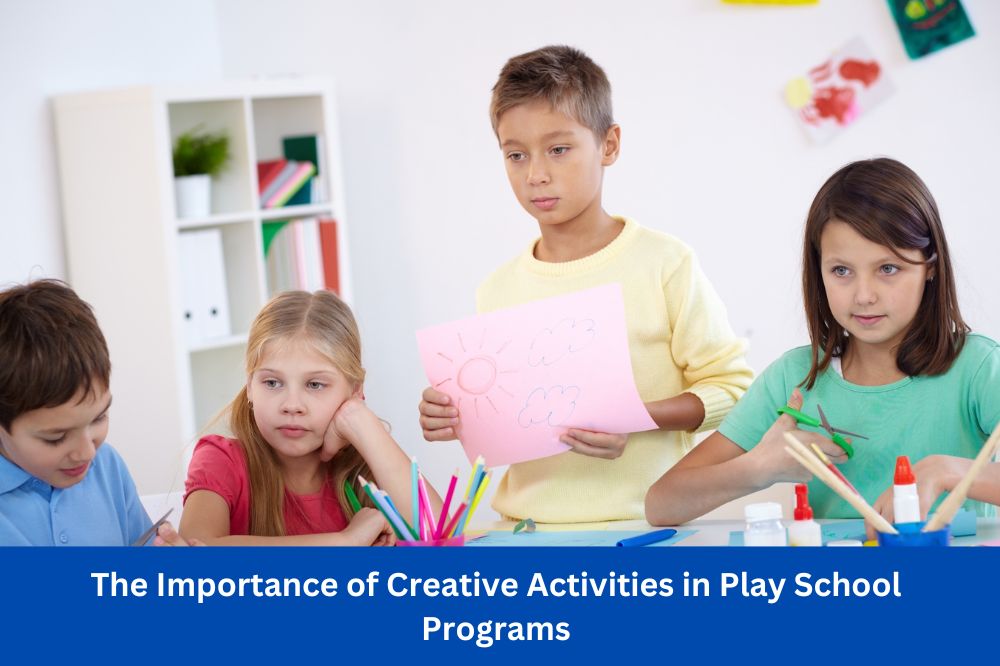
Creativity is at the heart of the early learning experience at Banyan Tree School. The play school program encourages imaginative thinking through activities such as art competitions, storytelling sessions, craft projects, and festive classroom celebrations. Events like colouring competitions, rangoli activities, and theme-based celebrations help young learners explore self-expression while developing motor and communication skills.
Encouraging Imagination and Creativity
Creative activities provide children with opportunities to express their imagination freely. Whether they are painting pictures, building with blocks, or participating in role-playing games, these experiences allow young learners to explore their ideas and emotions.
When children engage in imaginative play, they begin to understand different perspectives and create their own stories. This process strengthens their creative thinking and encourages them to approach challenges with innovative solutions.
Supporting Cognitive Development
Creative activities are closely linked to cognitive development during early childhood. Activities such as puzzles, drawing, clay modeling, and music help stimulate brain development by encouraging children to think, observe, and experiment.
These experiences also help children improve their concentration and memory. When they work on creative projects, they learn to focus on tasks, follow instructions, and complete activities step by step.
Improving Communication and Language Skills
Creative activities play a vital role in developing communication skills. Storytelling sessions, puppet shows, and group discussions help children learn new words and express their thoughts confidently.
For example, when children participate in storytelling activities, they not only listen to stories but also share their own ideas and interpretations. This interaction improves vocabulary and encourages effective communication.
Developing Social Skills Through Collaboration
Play school is often the first place where children interact with peers in a structured environment. Creative group activities help them learn important social skills such as sharing, cooperation, and teamwork.
When children work together on art projects, participate in group games, or perform in small cultural events, they learn how to collaborate and respect others’ ideas. These experiences build empathy and help them form positive relationships with classmates.
Enhancing Emotional Expression
Young children often find it easier to express their feelings through creative activities than through words. Art, music, and imaginative play allow them to communicate emotions in a safe and comfortable way.
For instance, drawing pictures or participating in dramatic play helps children express happiness, curiosity, or even frustration. Teachers can observe these expressions and guide children toward understanding their emotions.
Making Learning Fun and Engaging
Children learn best when they are actively involved and enjoying the process. Creative activities transform traditional learning into exciting experiences that keep children motivated and curious.
Songs, art projects, craft activities, and storytelling sessions make the classroom lively and interactive. Instead of feeling pressured by formal instruction, children naturally absorb knowledge through playful experiences.
Encouraging Confidence and Self-Expression
Creative activities allow children to showcase their unique ideas and talents. Whether they are painting a picture, performing a short skit, or singing a song, these experiences help build self-confidence.
Supporting Holistic Development
One of the greatest advantages of creative activities in play school programs is their ability to support holistic development. These activities nurture cognitive, emotional, social, and physical growth simultaneously.
Conclusion:
Creative activities are an essential component of effective play school programs. They encourage imagination, enhance communication, strengthen social relationships, and support overall development during a child’s early years. For parents exploring the schools, choosing a program that emphasizes creativity can make a significant difference in a child’s learning experience.
FAQs:
Q. 1 Why are creative activities important in early childhood education?
Ans : They stimulate imagination, encourage curiosity, and support cognitive development in young learners.
Q. 2 What types of creative activities are common in play schools?
Ans : Drawing, painting, storytelling, music, dance, and craft activities are commonly included.
Q. 3 How do creative activities improve communication skills?
Ans : Storytelling and role-play help children express ideas, build vocabulary, and improve confidence.
Q. 4 Can creative play support emotional development?
Ans : Yes, art and imaginative play allow children to express feelings and develop emotional awareness.
Q. 5 How do creative programs help build motor skills?
Ans : Activities like colouring, clay modeling, and craft improve hand-eye coordination and fine motor development.
Q. 6 Why do parents search for the best play schools for creative learning?
Ans : Many parents prefer institutions that combine creativity with structured early education programs.