Introduction:
Education today is no longer limited to textbooks and examinations. Modern schools are focusing on developing skills, values, and knowledge that help students succeed in both higher education and future careers. At Banyan Tree School Chandigarh, the Top 10 Schools in Chandigarh Tricity where as the world becomes more competitive and technology-driven, schools play a vital role in preparing students to face real-world challenges with confidence.
About Us:
Banyan Tree School is committed to preparing students for academic excellence and future success through a balanced blend of academics and co-curricular learning. Students participate in sports such as football, basketball, cricket, and skating while also exploring talents through music, dance, art, and debating clubs. The school regularly hosts inter-school sports events, cultural programs, and skill-building activities that encourage leadership and teamwork.
1. Building Strong Academic Foundations
A strong academic base is essential for students to succeed in higher education. Schools that emphasize conceptual understanding rather than rote memorization help students develop deeper knowledge of subjects.
Effective teaching methods encourage students to ask questions, explore ideas, and engage actively in the learning process. Interactive classroom discussions, project-based learning, and practical experiments allow students to grasp complex concepts more effectively.
2. Encouraging Critical Thinking and Problem-Solving
Future careers require individuals who can analyze situations, think creatively, and solve problems efficiently. Schools that incorporate critical thinking activities into their curriculum prepare students to approach challenges with logical reasoning.
Debates, research assignments, case studies, and group discussions are commonly used to develop analytical skills. These activities encourage students to evaluate information carefully and form independent opinions.
3. Integrating Technology into Learning
Technology has become an essential part of modern education. Schools that integrate digital tools into classrooms prepare students to navigate the evolving technological landscape.
Smart classrooms, online research tools, coding programs, and digital collaboration platforms enhance the learning experience. Students learn how to use technology responsibly while developing digital literacy skills that are highly valued in future careers.
4. Developing Communication and Leadership Skills
Academic success alone is not enough in today’s world. Students must also develop strong communication and leadership abilities to succeed in higher education and professional settings.
Schools support this development by encouraging participation in activities such as presentations, public speaking events, group projects, and student leadership programs. These opportunities allow students to express their ideas confidently and collaborate effectively with peers.
5. Fostering Creativity and Innovation
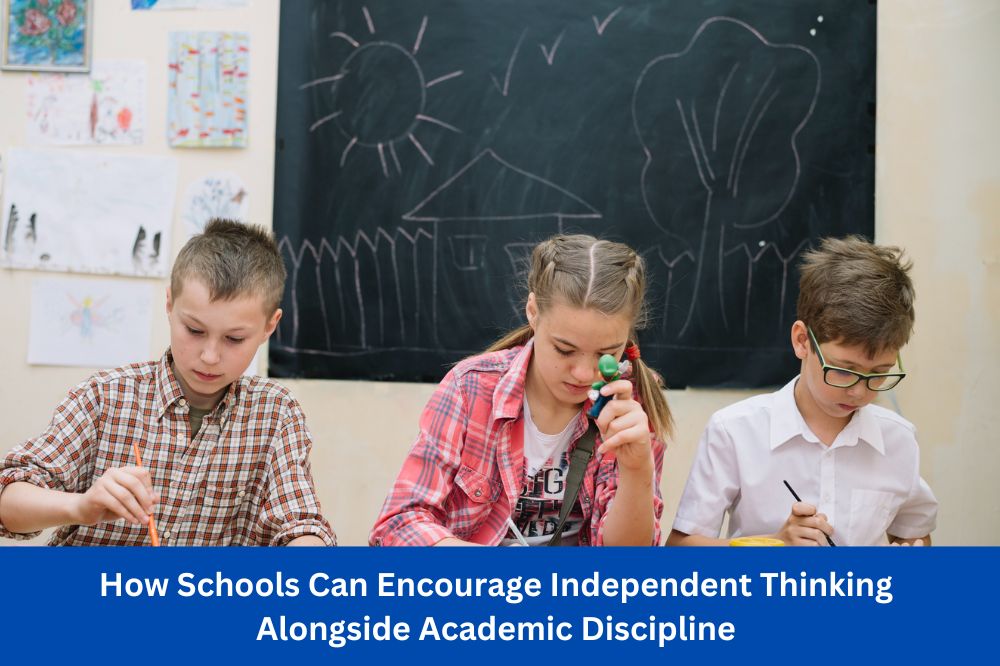
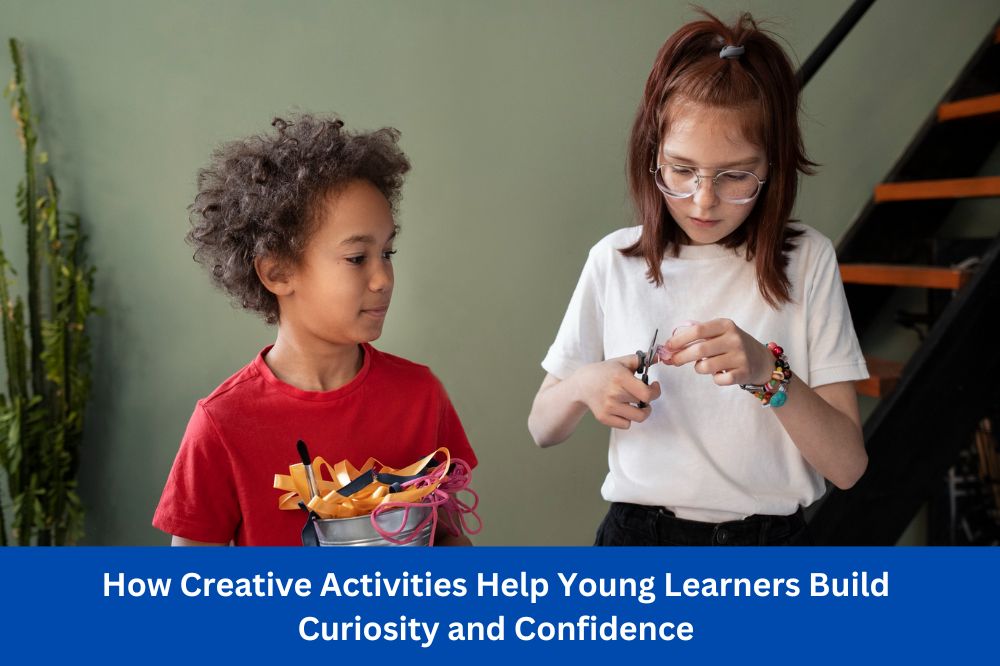
Creativity is an essential skill that supports innovation and problem-solving. Schools that encourage artistic expression and creative thinking help students explore new perspectives and ideas.
Activities like art, music, drama, storytelling, and design projects allow students to express themselves while developing imaginative thinking. Creative learning environments inspire curiosity and help students approach academic subjects from different angles.
Conclusion:
Schools play a crucial role in shaping students into confident, capable individuals ready to succeed in higher education and future careers. By focusing on academic excellence, skill development, creativity, and emotional well-being, educational institutions provide a strong foundation for lifelong success.
FAQs:
Q. 1 How do schools help students build strong academic foundations?
Ans : Schools focus on conceptual learning, interactive teaching, and practical activities to strengthen understanding of core subjects.
Q. 2 Why are extracurricular activities important for future success?
Ans : Activities like sports, arts, and debates build teamwork, leadership, and confidence beyond academics.
Q. 3 How do schools develop problem-solving skills in students?
Ans : Through project-based learning, discussions, and real-world assignments that encourage analytical thinking.
Q. 4 What role does technology play in modern education?
Ans : Digital learning tools, smart classrooms, and research-based activities help students adapt to future academic demands.
Q. 5 How do schools guide students in choosing careers?
Ans : Career counseling sessions, workshops, and skill development programs help students explore different career paths.
Q. 6 Why do parents look for the schools Tricity for holistic learning?
Ans : These schools often provide balanced education with academics, sports, leadership activities, and personal development.