Introduction:
In the ever-evolving world of education, one key factor that significantly contributes to a child’s growth is the environment in which they learn. For young children, creative learning spaces are essential in fostering curiosity, encouraging independent thinking, and providing opportunities for hands-on experiences. At Banyan Tree School Chandigarh, the Best Play Schools in Chandigarh where these are dedicated to early childhood education, the design and use of these spaces can make all the difference in shaping a child’s learning journey.
About Us:
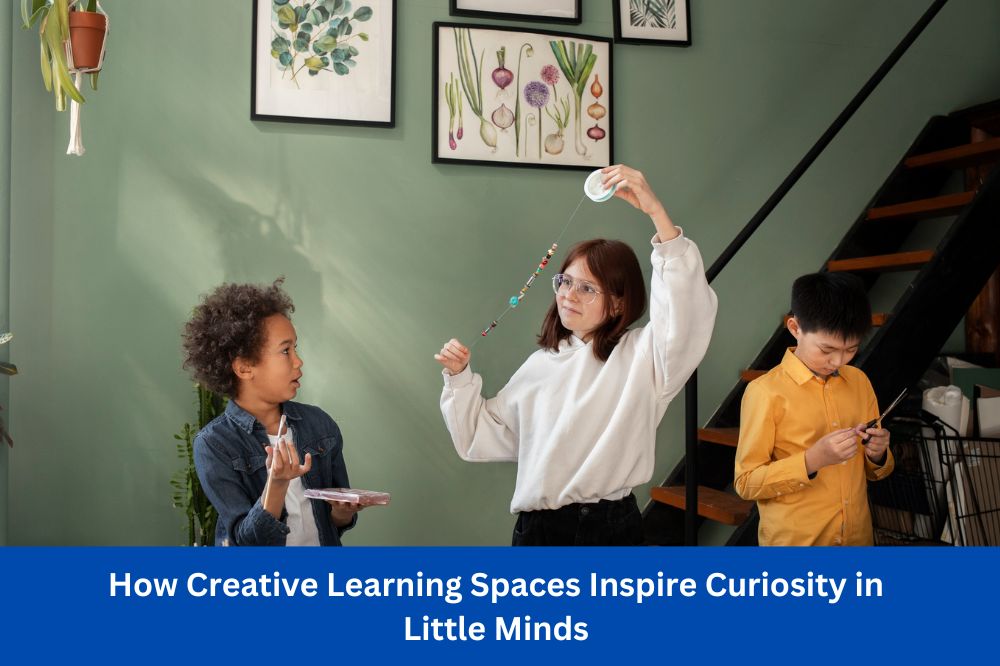
At Banyan Tree School, Chandigarh, we prioritize creating inspiring learning environments that spark curiosity in young minds. Our classrooms are designed with vibrant colors, interactive displays, and thoughtful layouts that encourage exploration and creative thinking. From science experiments to art corners, these spaces foster a love for learning, where children can investigate, discover, and develop a sense of wonder that lasts a lifetime.
The Impact of Learning Spaces on Child Development
Children’s development is closely linked to their surroundings. The environment acts as a silent teacher, shaping their cognitive, emotional, and social skills. For young learners, every corner of their environment holds potential for discovery.
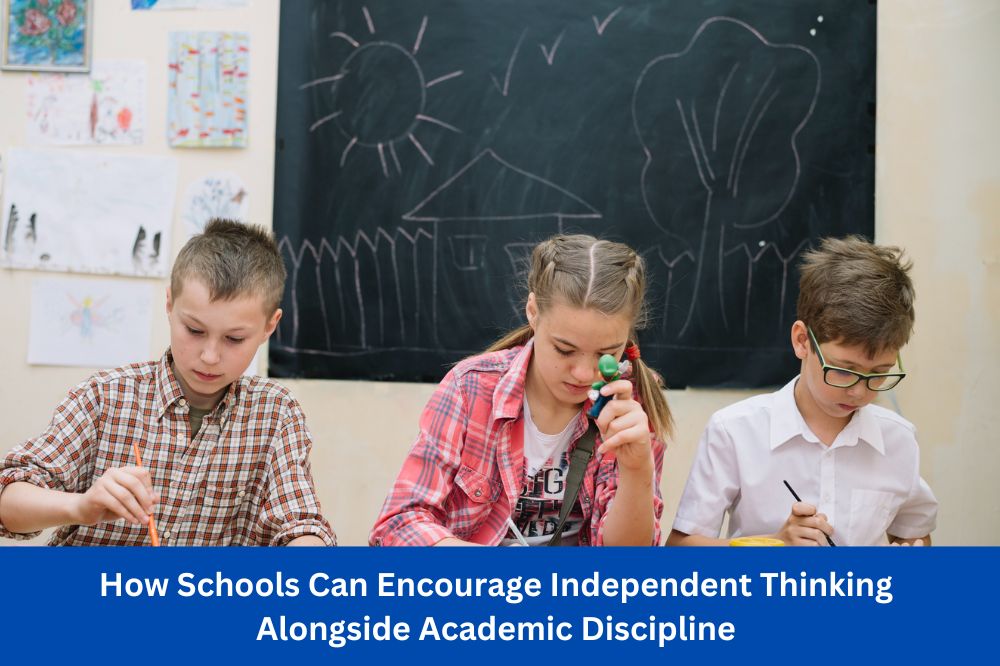
- Stimulating Curiosity : Creative learning spaces are designed to engage young minds and spark their natural curiosity. Spaces filled with bright colors, interesting textures, and educational tools can instantly draw a child’s attention. For instance, a well-organized classroom featuring nature-inspired decor, interactive whiteboards, and multi-sensory stations allows children to explore a range of materials that naturally encourage questioning and experimentation.
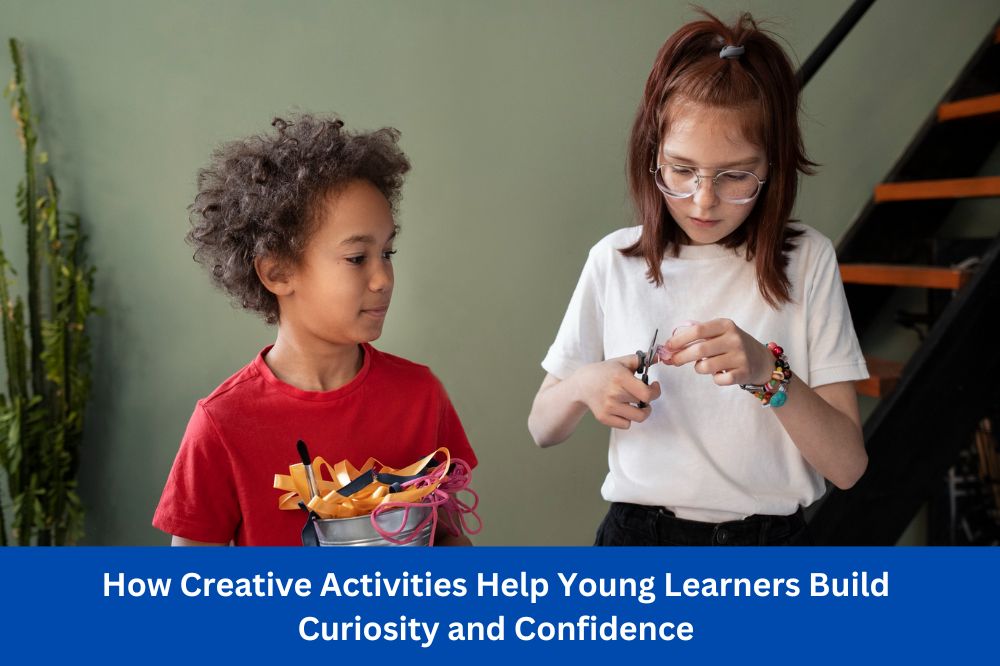
- Hands-on Learning Opportunities : The hands-on experiences provided by creative learning spaces offer children the opportunity to engage in experiential learning. Whether it’s building structures with blocks, exploring science experiments, or creating artwork, these spaces encourage children to experiment with their ideas and test their hypotheses. In contrast to traditional, lecture-based learning, creative spaces foster an environment where mistakes are embraced, and learning is seen as a journey rather than a destination.
Key Elements of Creative Learning Spaces
Creating a space that fosters curiosity requires more than just vibrant decorations. A truly creative learning environment combines various elements that cater to the diverse needs of young learners.
- Flexibility in Design : One of the main components of a creative learning space is flexibility. The layout of the space should be adaptable to different types of learning activities. For example, movable furniture allows the classroom to shift between collaborative group work, individual study, and physical activities. This flexibility helps keep the children engaged and encourages them to think outside the box.
- Interactive Stations : Interactive learning stations are key to creating an engaging environment. These stations can be tailored to different subjects, such as a math corner with manipulatives, a reading nook with themed books, or an art station with a variety of creative materials. Interactive stations provide children with the tools to engage actively with content, encouraging them to explore their own ideas and learning paths.
- Natural Elements : Research has shown that exposure to nature has a calming and stimulating effect on young children. Integrating natural elements such as plants, natural light, or even outdoor learning spaces into the classroom environment can boost a child’s cognitive function and emotional well-being. These elements not only make the space more pleasant but also provide opportunities for environmental learning, further sparking a child’s curiosity about the world around them.
The Role of Teachers in Creative Learning Spaces
While the physical environment plays a significant role in inspiring curiosity, the influence of educators is equally important. Teachers in creative learning spaces act as facilitators, guiding children’s exploration and helping them make connections between their discoveries.
- Guided Exploration : Teachers in these spaces encourage guided exploration by posing thought-provoking questions, offering new resources, and creating opportunities for children to engage with different topics. By presenting challenges or intriguing scenarios, teachers can spark curiosity and motivate children to ask more questions, explore new concepts, and discover solutions on their own.
- Encouraging Independent Thinking : A crucial element of fostering curiosity is promoting independent thinking. Teachers encourage this by providing opportunities for children to solve problems on their own and make decisions about their learning. In creative spaces, teachers help children see the value in experimentation, helping them understand that learning comes through doing and exploring.
- Fostering a Growth Mindset : A growth mindset is an essential part of fostering curiosity. Teachers in creative learning spaces model a positive attitude toward learning, where effort and persistence are valued over innate talent. By praising effort and encouraging perseverance, teachers help children develop the resilience and confidence to continue exploring and asking questions, even when faced with challenges.
Conclusion:
Creative learning spaces are essential in inspiring curiosity in young minds. By designing environments that are stimulating, flexible, and rich in resources, educators can create the ideal setting for children to explore, question, and grow. When these spaces are paired with passionate and supportive educators, they provide children with a foundation for lifelong learning.
FAQs:
Here are six concise and unique FAQs for the topic “How Creative Learning Spaces Inspire Curiosity in Little Minds”:
Q. 1 What is a creative learning space?
Ans : A creative learning space is designed to inspire curiosity and exploration through engaging, interactive elements like colorful visuals, hands-on materials, and flexible layouts.
Q. 2 How do creative learning spaces boost curiosity in young children?
Ans : These spaces encourage children to experiment, explore new ideas, and ask questions, which naturally fosters their curiosity and love for learning.
Q. 3 Why is curiosity important for early learners?
Ans : Curiosity drives children to engage in problem-solving, develop critical thinking skills, and explore the world around them, laying the foundation for lifelong learning.
Q. 4 What are some elements that make a learning space creative?
Ans : Creative learning spaces include interactive stations, sensory experiences, natural elements, and a mix of technology that encourages exploration and imagination.
Q. 5 How does the design of a classroom impact student engagement?
Ans : A well-designed classroom with diverse learning areas encourages active participation and inspires students to engage with the material in meaningful ways.
Q. 6 Can creative learning spaces help shy students?
Ans : Yes, these spaces provide opportunities for shy students to interact with the environment at their own pace, helping them build confidence and express themselves.