Introduction:
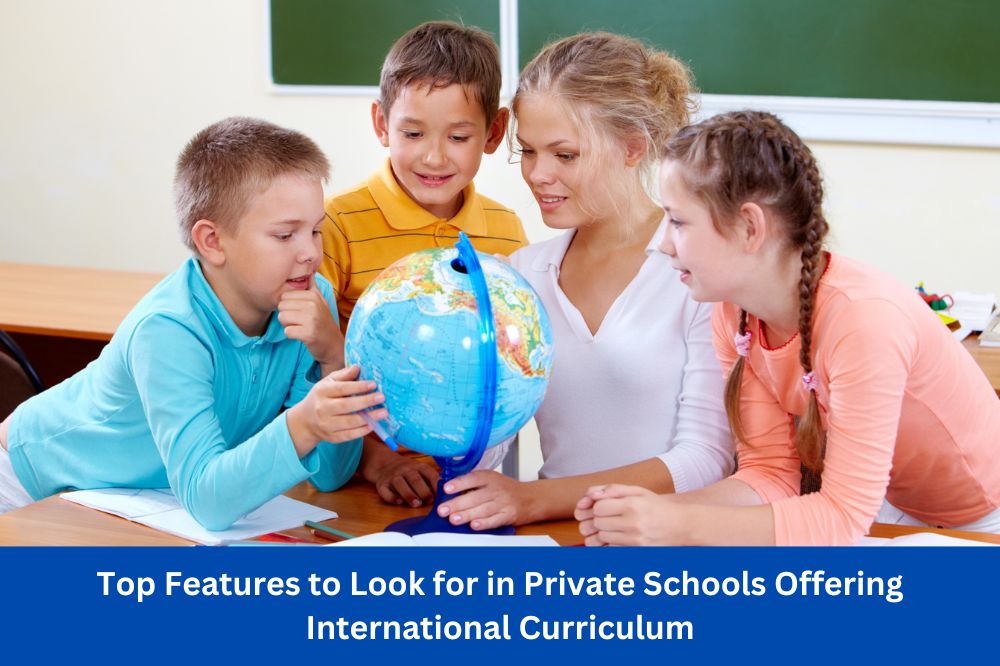
When parents begin exploring private schools that offer an international curriculum, they are seeking far more than a place of instruction—they are looking for a nurturing environment that promotes holistic growth, global exposure, and future-ready skills. At Banyan Tree School Chandigarh, Recognised Among the Best Private Schools in Chandigarh, international curricula such as the IB (International Baccalaureate), Cambridge (IGCSE/A-Levels), and the International Primary Curriculum (IPC) emphasise much more than academic learning. These frameworks encourage critical thinking, skill development, cultural awareness, and responsible global citizenship.
As education continues to evolve at a rapid pace, selecting the right international curriculum school has become a crucial decision for families. This guide highlights the essential features parents should consider when evaluating such institutions, offering clear insights to help make informed, confident choices for a child’s long-term academic and personal success.
About Us:
At Banyan Tree School, education is designed to meet global standards while remaining deeply rooted in holistic child development. The learning approach blends academic depth with experiential exposure, helping students become confident global learners. Alongside classroom learning, students actively participate in extracurricular programmes such as international debating, robotics, performing arts, creative writing, visual arts, and sports.
Regular events including cultural celebrations, innovation showcases, leadership workshops, and global awareness activities broaden perspectives and encourage collaboration. Experienced educators focus on inquiry-based learning, critical thinking, and communication skills, ensuring students are prepared for international opportunities. A vibrant campus culture, supported by clubs and inter-school events, nurtures curiosity and creativity. This balanced ecosystem enables learners to grow academically, socially, and emotionally, preparing them to adapt and succeed in a rapidly evolving global environment.
1. A Clear & Well-Structured International Curriculum
A robust international curriculum should be well defined, globally recognized, and structured to develop skills rather than just subject knowledge. Look for programs that:
- Emphasize inquiry-based learning
- Support cross-disciplinary thinking
- Encourage student agency and autonomy
- Are recognized for smooth transitions to global universities
Curricula like IB and Cambridge are internationally accredited and align with universities worldwide. This ensures students aren’t just exam-ready, but life-ready.
2. Experienced, Globally Trained Faculty
Teachers make the curriculum come alive. World-class schools invest heavily in faculty who:
- Are trained in international teaching methodologies
- Understand how to differentiate instruction
- Can guide students in inquiry and research-based projects
- Encourage creativity while assessing growth holistically
When teachers are skilled at facilitating inquiry rather than just delivering lessons, students develop deeper understanding, confidence, and love for learning.
3. Focus on Holistic Development
International education extends beyond academics. The best schools nurture the whole child—that means balanced focus on:
- Cognitive development
- Social and emotional growth
- Physical fitness
- Ethical and global awareness
Programs should include arts, music, drama, sports, and wellness initiatives to ensure students grow in all facets of life.
4. Future-Ready Skill Development
In a rapidly changing world, students need skills that go beyond memorization. Key future-ready competencies include:
- Critical thinking and problem solving
- Communication and collaboration
- Digital literacy and media awareness
- Creativity and innovation
Top schools embed these skills organically into everyday learning rather than treating them as add-ons.
5. Strong Language and Communication Programs
Global education prioritizes communication fluency. Schools offering international curricula typically emphasize:
- English proficiency (reading, writing, speaking, listening)
- Opportunities to learn additional world languages
- Language labs and reading programs
- Debate, speech, and public speaking platforms
Clear communication builds confidence and empowers students to express ideas effectively.
6. State-of-the-Art Learning Spaces
A modern international curriculum must be supported by physical spaces that encourage exploration and collaboration, including:
- Well-equipped science and computer labs
- Libraries with international literature
- Makerspaces and innovation centers
- Collaborative classroom layouts
These spaces support student curiosity and provide hands-on opportunities that reinforce conceptual understanding.
7. Technology Integration
Technology should be seamlessly integrated into learning—not just as a tool, but as a partner in exploration. Look for:
- Smart classrooms
- Safe internet and digital learning platforms
- Coding, robotics, and AI clubs
- Technology to support differentiated learning
Digital competence is essential for higher education and tomorrow’s workforce.
8. Global Exposure & International Partnerships
A hallmark of a strong international education is exposure to global ideas, cultures, and experiences. Features to prioritize include:
- Cultural exchange programs
- Student collaboration with international peers
- International competitions and symposiums
- Virtual global classrooms
Global exposure increases empathy, awareness, and adaptability.
9. Comprehensive Assessment Systems
Assessment in international curricula should not rely solely on tests. Look for schools that use:
- Portfolios and project work
- Performance-based assessments
- Continuous formative feedback
- Individual goal tracking
This approach evaluates students fairly and encourages growth over time.
10. Student Well-Being At the Core
Mental health and well-being are non-negotiable in truly effective international schools. Prioritize schools that provide:
- Regular counseling services
- Emotional learning programs
- Safe and inclusive culture
- Anti-bullying policies
When students feel supported emotionally, academic and extracurricular success follows.
11. Parental Engagement & Transparent Communication
Parents play a crucial role in a child’s education. The best international curriculum schools foster strong parent-school partnerships by:
- Offering regular progress updates
- Hosting parent workshops
- Maintaining open communication channels
- Sharing classroom insights and school events
Transparent communication builds trust and keeps parents involved in the learning journey.
12. Personalized Learning Pathways
No two students learn the same way. Look for schools that:
- Use diagnostic assessments
- Create personalized learning plans
- Support remediation and enrichment
- Allow flexibility in academic choices
Customization ensures that each student is challenged appropriately and supported where needed.
13. Rich Co-Curricular & Extracurricular Opportunities
Curricular learning should be complemented with rich co-curricular options such as:
- Sports teams and athletics
- Creative arts and performance groups
- Clubs (environmental, cultural, tech, leadership)
- Community service and social initiatives
These opportunities empower students to explore passions and develop diversified skills.
14. Ethical Values & Character Education
International curricula thrive when grounded in strong values. Schools should integrate:
- Respect and empathy programs
- Integrity and ethical decision-making
- Community engagement activities
- Sustainability and global citizenship themes
Character education ensures students become responsible global citizens.
15. Well-Planned Transition Support for Higher Education
Preparing for higher education—especially abroad—requires:
- College counseling and career guidance
- Preparation for standardized tests (SAT, ACT, etc.)
- University application support
- Alumni mentoring opportunities
Top schools align their curriculum with future pathways.
16. Safety, Security & Health Infrastructure
Student safety and well-being also depend on sound infrastructure, including:
- Secure campus with monitoring systems
- Health centers with trained staff
- Emergency response protocols
- Safe transportation services
A secure environment allows learning without worry.
17. Strong Alumni Network & Community Impact
An active alumni community enriches student experiences through:
- Mentoring and internships
- Real-world insights
- Career talks and guidance
- Community projects
Such networks demonstrate the school’s legacy and student potential.
18. Focus on Environmental Consciousness
Sustainable education goes hand-in-hand with international curricula. Progressive schools incorporate:
- Green initiatives and eco-clubs
- Waste management and recycling
- Energy-efficient infrastructure
- Outdoor learning spaces
This teaches students stewardship of the planet.
19. Diversity & Inclusive Culture
Exposure to diverse cultures and ideas nurtures open-minded learners. Look for:
- Multicultural community
- Inclusive policies for differently-abled students
- Celebrations of global festivals
- Respect for all identities
Diversity strengthens empathy and collaboration.
20. Recognition & Accreditations
Finally, credibility matters. Schools should hold credible accreditations and affiliations such as:
- IB World School authorization
- Cambridge Assessment International Education certification
- Other international education awards
Such recognitions reflect commitment to global standards.
Conclusion:
Choosing a school that offers an international curriculum means choosing an environment that goes far beyond traditional classrooms. The private schools not only provide globally recognized programs but also nurture lifelong learners who are confident, compassionate, and prepared for the future. By prioritizing features such as holistic development, technology integration, global exposure, and personalized learning, families can ensure that students thrive academically, socially, and emotionally.
Ultimately, the right choice will empower your child to navigate a complex world with clarity, creativity, and courage.
FAQs:
Q. 1 Why is an international curriculum beneficial for young learners?
Ans : It develops global awareness, critical thinking, and adaptability from an early age.
Q. 2 How do international curricula support holistic development?
Ans : They balance academics with creativity, life skills, and experiential learning.
Q. 3 Are international programmes suitable for students planning higher studies abroad?
Ans : Yes, they align well with global universities and international assessment standards.
Q. 4 What role do teachers play in international curriculum schools?
Ans : Educators act as facilitators, encouraging inquiry-based and student-led learning.
Q. 5 How important is cultural exposure in such schools?
Ans : Cultural inclusivity helps students become open-minded and globally confident individuals.
Q. 6 Do international schools focus only on academics?
Ans : No, equal importance is given to communication, collaboration, and emotional intelligence.