Introduction:
When it comes to selecting the right educational institution for a child, most parents instinctively focus on academics—test scores, board results, and reputation. At Banyan Tree School Chandigarh, the Best CBSE Schools in Chandigarh where while academic excellence is undoubtedly important, it’s no longer the sole measure of a great education. In today’s dynamic, skill-driven world, success depends equally on emotional intelligence, creativity, communication, adaptability, and values.
That’s why many parents today are looking toward holistic development when searching for the CBSE schools. The modern approach to schooling focuses not only on academic achievement but also on character building, physical health, emotional balance, and global awareness.
Let’s explore why looking beyond academics is essential and how leading CBSE institutions are redefining what it truly means to educate the next generation.
About Us:
At our school, we believe true education means opening doors to more than just academic excellence. Our vision includes vibrant programmes in arts and music, inter-house sports events, STEM fairs, and community drives that help students develop communication, collaboration and character alongside curriculum depth. With dedicated clubs for robotics, drama and environmental action, and regular annual festivals and showcase days, we ensure every child has opportunities to explore their potential. Our nurturing environment supports intellectual growth AND personal resilience—in short, we help children discover who they are as well as what they learn. Whether it’s our debate championships, music recitals or outdoor adventure camps, each event reinforces our commitment to balanced development. For parents seeking a school where holistic growth matters, you’ll find a partner here in building confident, curious and compassionate young individuals.
1. Redefining Success in Modern Education
Traditional schooling often centered around rote learning and examinations. However, the future belongs to students who can think critically, communicate effectively, and adapt creatively to change. The most successful learners are those who combine strong academic foundations with soft skills such as leadership, empathy, and problem-solving.
The CBSE schools understand this shift. Their teaching methodologies emphasize conceptual understanding, experiential learning, and skill-based education. Instead of memorizing facts, students learn to question, reason, and connect theory with real-world application.
This redefinition of success helps children grow into confident, balanced individuals ready for both personal and professional challenges ahead.
2. The Role of Emotional Intelligence in Lifelong Success
A growing body of research highlights that emotional intelligence (EQ) often outweighs IQ in determining long-term success. EQ includes self-awareness, empathy, communication skills, and emotional regulation—qualities that empower students to navigate life with confidence and grace.
Schools that go beyond academics prioritize social-emotional learning through interactive discussions, reflection activities, mindfulness practices, and peer collaboration. This holistic focus ensures that children not only perform well academically but also develop empathy, resilience, and respect for others.
Students educated in such environments grow up to be compassionate leaders and thoughtful individuals who make a positive difference in society.
3. Confidence Through Co-Curricular and Extracurricular Exposure
Academic learning builds knowledge, but extracurricular participation builds personality. Co-curricular activities—such as music, theatre, art, robotics, debate, and sports—encourage students to explore their passions, express creativity, and develop interpersonal skills.
The CBSE schools offer a diverse range of extracurricular opportunities designed to nurture every child’s interests. These platforms teach teamwork, discipline, and perseverance—values that remain relevant throughout life.
Participation in inter-house competitions, art exhibitions, and community projects fosters a sense of pride, responsibility, and achievement, turning education into a joyful journey of discovery.
4. Creativity and Critical Thinking as Core Competencies
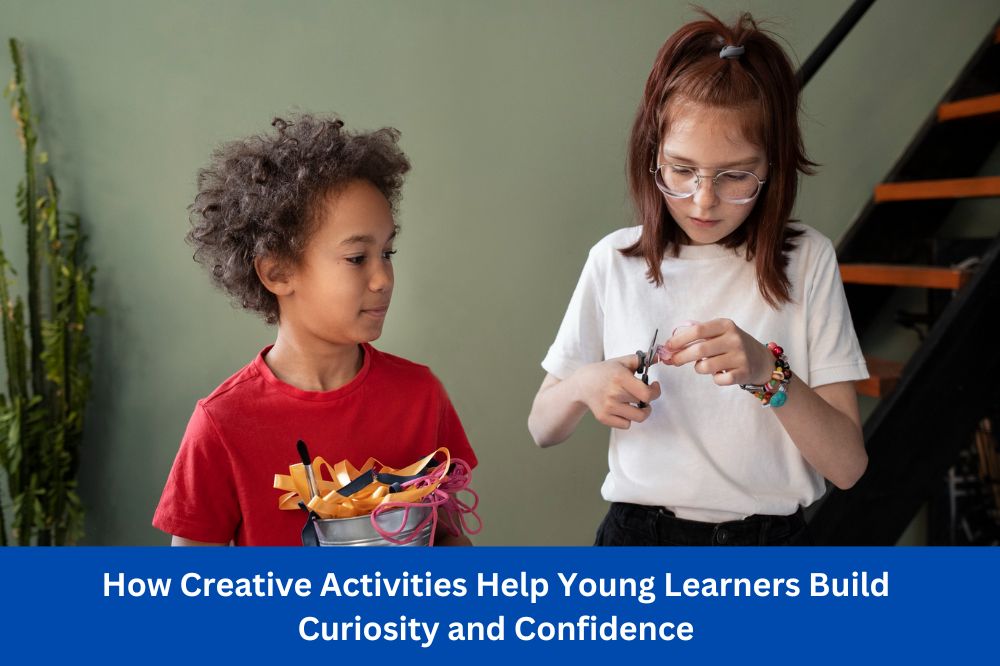
As industries evolve with automation and artificial intelligence, creativity and innovation are now as vital as logic and analysis. Modern schools encourage students to think beyond the textbook—to explore, experiment, and solve real-life problems.
Institutions that rank among the CBSE schools use inquiry-based learning, design thinking labs, and interdisciplinary projects to spark curiosity and problem-solving abilities. Students learn to connect dots between subjects, analyze issues deeply, and propose original ideas.
This kind of creative education not only makes learning engaging but also prepares students to thrive in complex, ever-changing environments.
5. The Vital Connection Between Sports and Academic Growth
Physical education is more than a break from the classroom—it’s an integral part of cognitive and emotional development. Sports help build leadership, teamwork, and discipline while boosting concentration and confidence.
Schools with well-structured sports programs encourage students to participate in athletics, football, basketball, swimming, and yoga, promoting a healthy balance between the mind and body. Regular exercise reduces anxiety and enhances focus, contributing directly to better academic performance.
The CBSE schools understand that nurturing physically active students results in mentally alert, emotionally stable learners who can perform at their best.
6. Value-Based Learning: Character Before Marks
While academic knowledge can open doors, values and ethics determine how one walks through them. Schools that go beyond academics emphasize moral education and civic responsibility alongside intellectual growth.
Through morning assemblies, social outreach programs, and life-skills sessions, students learn compassion, honesty, and respect. Participation in community service and environmental initiatives further strengthens their understanding of empathy and social awareness.
By fostering character and integrity, leading CBSE schools ensure that education shapes both the mind and the heart, helping students become responsible global citizens.
7. Embracing Technology and Future-Ready Learning
Education in the 21st century must prepare students for a world shaped by technology. Smart classrooms, AI-based learning tools, and virtual laboratories have become essential components of modern schooling.
Many of the CBSE schools have integrated technology into daily lessons, making learning interactive, visual, and engaging. Coding clubs, robotics workshops, and digital literacy programs introduce students to the world of innovation and prepare them for careers that don’t yet exist.
By blending technology with human creativity, these institutions ensure students gain both digital competence and critical thinking skills needed for the future.
8. Fostering Global Mindsets Through Cultural Exchange
True education transcends borders. Schools that focus on holistic learning emphasize global awareness and cross-cultural understanding. Students are encouraged to participate in international collaborations, exchange programs, and global competitions that expose them to diverse perspectives.
This global approach is a hallmark of the CBSE schools, where students learn to appreciate diversity, develop global citizenship values, and communicate effectively across cultures. Such experiences prepare them to lead confidently in an interconnected world.
When children learn to see themselves as part of a larger global community, they become adaptable, empathetic, and forward-thinking individuals.
9. Encouraging Independent Learning and Ownership
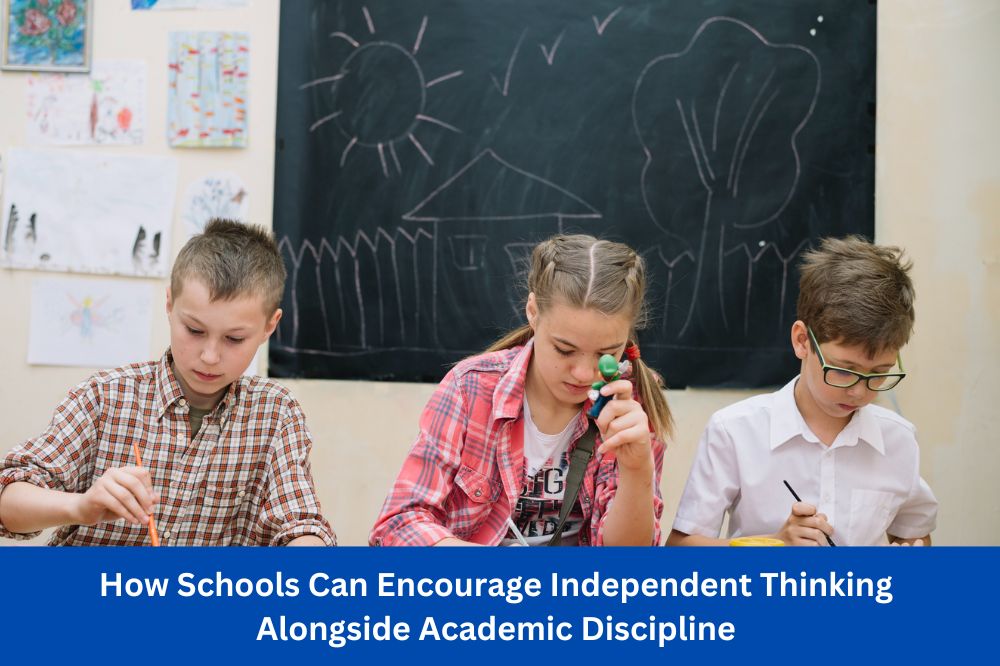
A well-designed learning environment fosters independence and self-motivation. Instead of merely following instructions, students are guided to take ownership of their learning journey.
Schools that focus beyond academics empower students through self-directed research, project-based assessments, and mentorship programs. Teachers serve as facilitators rather than authority figures, allowing learners to think critically and find answers on their own.
This independent approach instills lifelong learning habits—skills that remain invaluable throughout higher education and professional life.
10. Building a Supportive and Inclusive School Community
A nurturing school culture plays a vital role in student success. The CBSE schools foster a close-knit environment where students, teachers, and parents work as partners in learning.
Regular parent-teacher interactions, counseling services, and mentorship programs ensure personalized attention for every child. Students feel valued, understood, and motivated to perform to their fullest potential.
This collaborative approach ensures no child is left behind and that every learner—regardless of learning style or background—has equal opportunities to excel.
11. Environmental Responsibility: Education for a Sustainable Future
With sustainability at the forefront of global priorities, schools today have a responsibility to create environmentally conscious citizens. Leading institutions incorporate eco-friendly practices into their daily operations and curriculum.
Tree plantation drives, energy conservation campaigns, and waste management programs help students understand the importance of ecological balance. They learn not only to care for the environment but also to make informed decisions that benefit the planet.
The CBSE schools actively promote green education—teaching students that true progress is sustainable, responsible, and inclusive.
12. Leadership Development Through Real Experiences
Leadership isn’t taught—it’s cultivated. Schools that go beyond academics create ample opportunities for students to take initiative, lead teams, and make decisions.
Student councils, innovation challenges, and community initiatives encourage learners to take on leadership roles early. These experiences teach accountability, decision-making, and communication—all essential traits for future leaders.
By developing leadership potential alongside academics, schools help students grow into confident individuals capable of inspiring others and taking on challenges head-on.
13. The Role of Art, Music, and Performing Arts in Holistic Growth
Creative arts are a vital expression of human emotion and imagination. Art, dance, and music education nurture sensitivity, focus, and confidence—qualities that enhance academic learning as well.
Modern institutions provide dedicated art studios, performance stages, and music labs where students can explore their creativity. Participation in concerts, exhibitions, and theatre productions cultivates appreciation for culture and expression.
This creative engagement balances logical thinking with emotional intelligence, promoting overall harmony in a child’s development.
14. Parent Engagement: The Home-School Partnership
Education becomes most effective when parents are actively involved in their child’s journey. Schools that look beyond academics recognize parents as partners in progress.
Regular workshops, family events, and open communication channels strengthen this partnership. Parents are encouraged to support learning at home, celebrate achievements, and nurture curiosity.
This collaborative ecosystem ensures consistency in guidance and helps children feel supported both at school and at home.
15. Preparing Students for Life, Not Just Exams
Ultimately, education is not about producing toppers—it’s about shaping thinkers, innovators, and empathetic citizens. A forward-thinking school recognizes that academic performance is just one measure of growth.
The CBSE schools are committed to helping students develop resilience, adaptability, and a growth mindset. They encourage them to ask questions, take risks, learn from failures, and keep striving for improvement.
When education is viewed as a journey of self-discovery, students emerge as independent learners ready to make meaningful contributions to society.
Conclusion:
Choosing the right school is one of the most significant decisions for any parent. At Banyan Tree School Chandigarh, the Top CBSE Schools in Chandigarh where while strong academics form the backbone of quality education, true excellence lies in the balance—between intellect and empathy, competition and compassion, knowledge and creativity.
Holistic education nurtures not just scholars but complete individuals—curious minds, kind hearts, and confident leaders. The CBSE schools embody this vision by creating learning environments where children can dream, discover, and flourish beyond traditional boundaries.
Looking beyond academics doesn’t mean ignoring them—it means expanding the definition of success. Because the best education is one that prepares students not only for exams, but for life itself.
FAQs:
Q. 1 Why is it important for parents to focus on more than just academics when selecting a school?
Ans : Because holistic education nurtures emotional intelligence, creativity, and life skills that prepare children for real-world success.
Q. 2 How do extracurricular activities complement academic learning?
Ans : They enhance teamwork, leadership, and communication—skills essential for all-round personality development.
Q. 3 What role does school culture play in a child’s growth?
Ans : A positive, inclusive culture builds confidence, empathy, and motivation among students.
Q. 4. Can a school’s approach to well-being affect academic performance?
Ans : Absolutely, schools that prioritize emotional and mental well-being create happier, more focused learners.
Q. 5. How can parents identify schools offering balanced education?
Ans : By reviewing their mission, student engagement programs, and emphasis on creativity beyond classroom learning.
Q. 6 Why are holistic programs a key feature of good schools today?
Ans : Because they shape confident, curious learners ready to adapt and succeed in a changing world.