Introduction:
A child’s first exposure to structured learning plays a crucial role in shaping curiosity, confidence, and a positive attitude toward education. At Banyan Tree School Chandigarh, Recognised Among the Best Schools in Chandigarh for Nursery, early learning is viewed as much more than teaching alphabets or numbers. It is a space where children learn to express themselves, form meaningful relationships, and begin understanding the world around them. As parents explore nursery school options, their focus naturally extends beyond infrastructure or location.
Selecting the right nursery environment requires careful consideration of teaching approach, emotional support, safety standards, and age-appropriate developmental practices. A strong foundation during these early years can have a lasting impact on a child’s academic progress and personal growth, setting the stage for confident, joyful, and lifelong learning.
About Us:
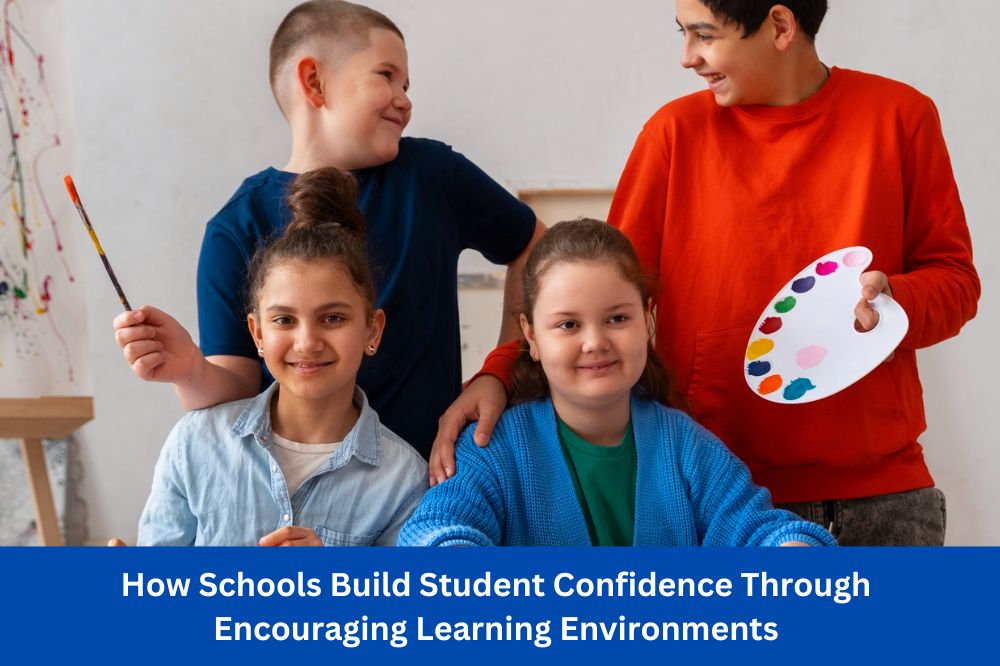
Banyan Tree School understands that a child’s first learning experience should be nurturing, joyful, and meaningful. The nursery programme is designed to support early development through a blend of play, exploration, and guided learning. Children participate in creative activities such as music, storytelling, sensory play, art, and early numeracy games that strengthen cognitive and motor skills. Extracurricular exposure through celebration days, interactive assemblies, parent-child events, and cultural activities helps build confidence and curiosity. A warm and safe environment, supported by attentive educators, ensures that each child feels secure and valued. Emphasis is placed on emotional development, independence, and social interaction, preparing young learners for a smooth transition into formal schooling while instilling a lifelong love for learning.
Understanding the Importance of Early Childhood Education
Early childhood education is scientifically proven to impact brain development, emotional regulation, and social skills. During the nursery years, children develop neural connections at a rapid pace. A supportive learning environment helps strengthen these connections through play, interaction, and exploration.
Parents considering admission in the schools for nursery often look for institutions that balance academic readiness with emotional and social growth. A high-quality nursery programme nurtures independence, creativity, and resilience—skills that extend far beyond the classroom.
A Child-Centric Learning Philosophy
One of the most important aspects to look for in a nursery school is a child-centric approach to learning. Young children thrive when education is tailored to their developmental pace rather than rigid academic expectations.
A strong nursery programme:
- Encourages learning through play and exploration
- Respects individual learning styles
- Focuses on experiential and activity-based methods
- Promotes curiosity rather than rote memorisation
Among the schools, those that adopt flexible, play-based pedagogy often help children develop a genuine love for learning from an early age.
Safe, Stimulating, and Welcoming Infrastructure
The physical environment of a nursery school plays a vital role in a child’s comfort and engagement. Bright, well-ventilated classrooms, child-friendly furniture, and safe play areas contribute to a sense of belonging.
Key infrastructure features to look for include:
- Age-appropriate classrooms and washrooms
- Soft flooring and rounded furniture edges
- Secure entry and exit systems
- Clean, hygienic surroundings
- Outdoor and indoor play zones
Parents evaluating the schools often prioritise institutions that create a warm, secure, and stimulating atmosphere where children feel confident to explore.
Qualified and Compassionate Educators
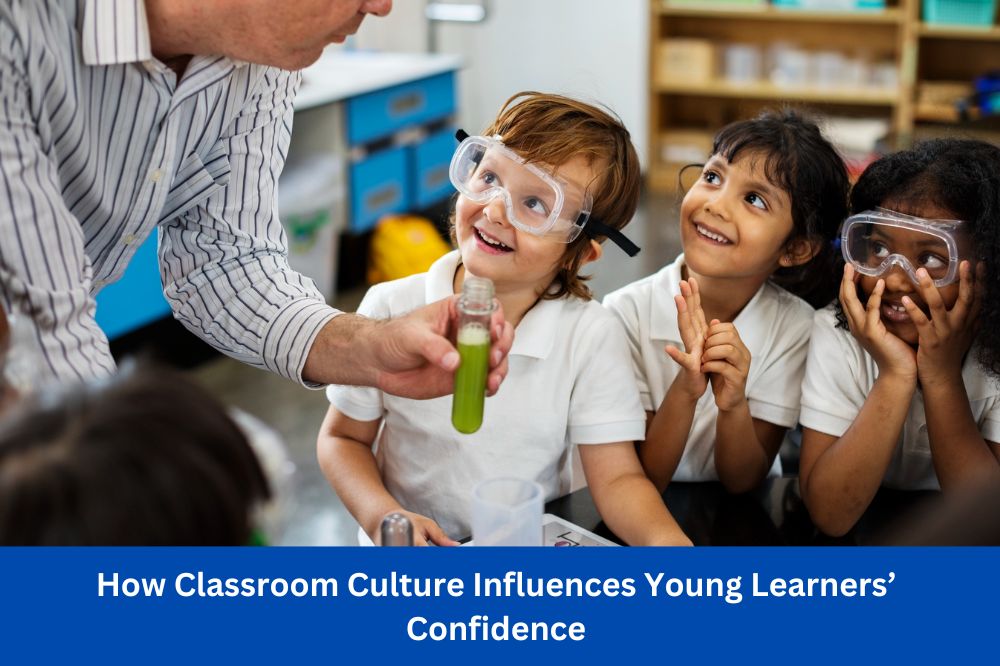
Teachers are the heart of early childhood education. Nursery educators must possess not only professional qualifications but also empathy, patience, and a deep understanding of child psychology.
Effective nursery educators:
- Communicate gently and clearly
- Encourage participation without pressure
- Observe and support emotional needs
- Build trust with children and parents
Nursery schools are known for investing in continuous teacher training, ensuring educators remain updated with modern early-learning methodologies and child development practices.
Focus on Social Skills and Emotional Development
Nursery school is often a child’s first experience of being part of a larger social group. Learning how to share, cooperate, express emotions, and resolve conflicts is just as important as early literacy.
A quality nursery programme helps children:
- Develop empathy and kindness
- Build friendships and teamwork skills
- Express emotions in healthy ways
- Gain confidence and independence
When comparing the schools, parents should look for programmes that intentionally nurture emotional intelligence alongside cognitive growth.
Play-Based and Activity-Driven Curriculum
Play is the most natural and effective way children learn. Through play, children develop language, motor skills, creativity, and problem-solving abilities.
An effective nursery curriculum includes:
- Storytelling and role play
- Music, movement, and dance
- Art, craft, and sensory activities
- Puzzles, building blocks, and games
The schools integrate structured play into daily routines, ensuring learning feels joyful rather than forced.
Balanced Exposure to Early Academics
While nursery education should not be overly academic, gentle exposure to foundational concepts helps children transition smoothly into higher classes.
A well-balanced nursery programme introduces:
- Basic language skills through stories and conversations
- Number sense through games and activities
- Fine motor skills through drawing and crafts
- Listening and attention skills through group activities
Among the schools, the emphasis is on readiness rather than performance, allowing children to progress confidently without stress.
Strong Emphasis on Communication Skills
Language development is a crucial milestone during the nursery years. Children learn best when encouraged to express themselves freely in a supportive environment.
Key practices include:
- Daily storytelling sessions
- Rhymes, songs, and interactive discussions
- Show-and-tell activities
- Encouraging questions and conversations
Parents exploring the schools often value schools that promote strong communication skills, helping children become confident speakers and listeners.
Hygiene, Health, and Well-Being Standards
Young children require special care when it comes to hygiene and health. A nursery school must maintain high standards of cleanliness and follow structured routines that promote well-being.
Important aspects include:
- Clean classrooms and play areas
- Regular sanitisation
- Health checks and first-aid readiness
- Safe food and water practices
The schools place a strong emphasis on creating a healthy environment where children can learn without health-related concerns.
Parent-School Partnership
A child’s development is most effective when parents and educators work together. Open communication helps parents stay informed about their child’s progress, challenges, and achievements.
Strong parent-school collaboration includes:
- Regular updates and feedback
- Parent-teacher interactions
- Workshops and orientation sessions
- Transparency in teaching practices
When selecting from the schools, parents often appreciate institutions that value partnership and trust.
Encouragement of Independence and Self-Confidence
Nursery school is where children begin learning simple life skills such as organising their belongings, making choices, and following routines.
A nurturing environment encourages children to:
- Take responsibility for small tasks
- Make decisions independently
- Build self-esteem through positive reinforcement
- Learn at their own pace
The schools focus on empowering children, helping them develop confidence that supports future academic and social success.
Cultural Sensitivity and Value-Based Learning
Early exposure to values such as respect, kindness, and inclusivity helps shape a child’s character. Nursery education should gently introduce moral values through stories, activities, and daily interactions.
Value-based learning includes:
- Respect for diversity
- Sharing and cooperation
- Gratitude and empathy
- Positive behaviour reinforcement
Parents often seek schools that integrate ethical values into everyday learning without imposing pressure.
Smooth Transition to Formal Schooling
A well-designed nursery programme prepares children emotionally, socially, and academically for primary education. Children who feel confident and secure adapt more easily to structured learning environments.
Key transition-support practices include:
- Familiar routines
- Gradual introduction to structure
- Confidence-building activities
- Emotional support during change
The schools ensure children move forward with enthusiasm rather than anxiety.
Why the Right Nursery Choice Matters
Selecting the right nursery school is one of the most important decisions parents make in their child’s early years. The right environment builds a strong foundation for lifelong learning, curiosity, and emotional well-being.
While exploring options among the schools, parents should look beyond marketing claims and focus on philosophy, people, and practices that truly support holistic child development.
Conclusion:
A nursery school is not just the beginning of academic learning—it is the starting point of a child’s journey toward confidence, creativity, and character. The right nursery experience nurtures a child’s natural curiosity while providing emotional security and joyful learning.
As parents evaluate the schools, choosing an institution that values play, empathy, safety, and partnership can make all the difference. A thoughtful first step in education lays the groundwork for future success, ensuring children grow not only as learners but as happy, well-rounded individuals.
FAQs:
Q. 1 Why is the nursery stage crucial in early education?
Ans : It lays the foundation for emotional security and lifelong learning habits.
Q. 2 What type of teaching approach works best at nursery level?
Ans : Play-based, child-centric methods that encourage exploration and curiosity.
Q. 3 How important is the learning environment for nursery children?
Ans : A safe, warm, and stimulating environment supports confidence and engagement.
Q. 4 What role do teachers play in nursery education?
Ans : They guide, nurture, and support children’s emotional and cognitive development.
Q. 5 Should nursery education focus on academics?
Ans : The focus should be on readiness, not pressure or rote learning.
Q. 6 How can parents assess the quality of a nursery school?
Ans : By observing teacher interaction, safety standards, and learning philosophy.