Introduction:
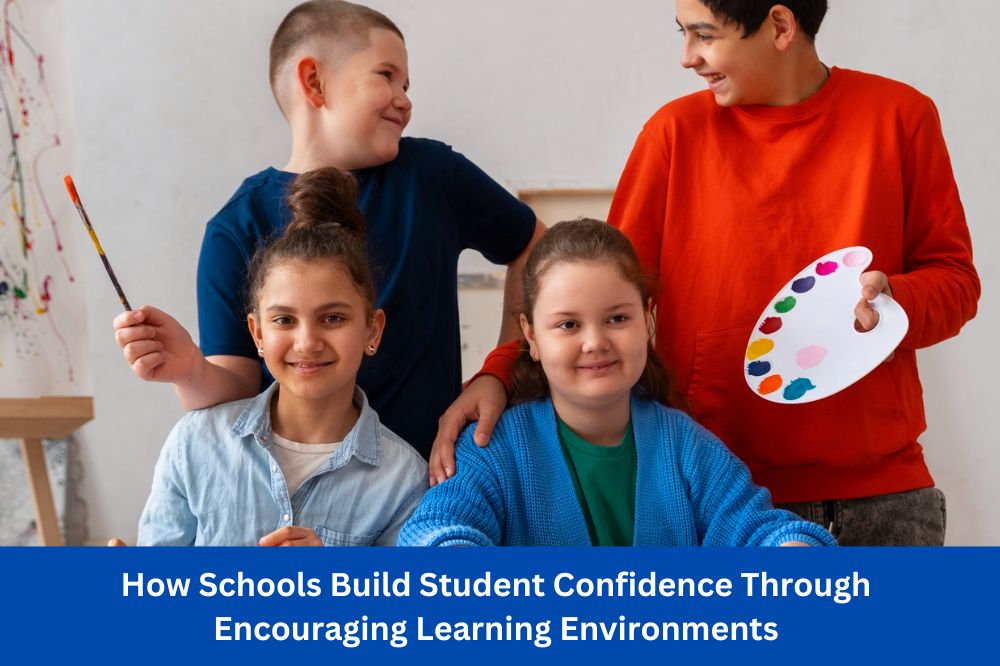
Classroom culture plays a crucial role in shaping the confidence of young learners. It encompasses the values, attitudes, and behaviors that govern how students interact with their peers, teachers, and the learning environment. At Banyan Tree School Chandigarh, the Top Schools in Chandigarh where a positive classroom culture promotes a safe, supportive, and inclusive atmosphere where students feel valued and empowered to express themselves. This, in turn, fosters self-esteem and confidence in young learners, allowing them to take risks, explore new ideas, and develop the skills necessary for academic and personal growth.
About Us:
The classroom culture at Banyan Tree School plays a pivotal role in shaping students’ confidence. With a focus on respect, collaboration, and mutual encouragement, we foster a positive environment where each child feels heard and valued. Our educators create a safe space for children to express themselves, take risks in their learning, and develop a strong belief in their abilities.
What is Classroom Culture?
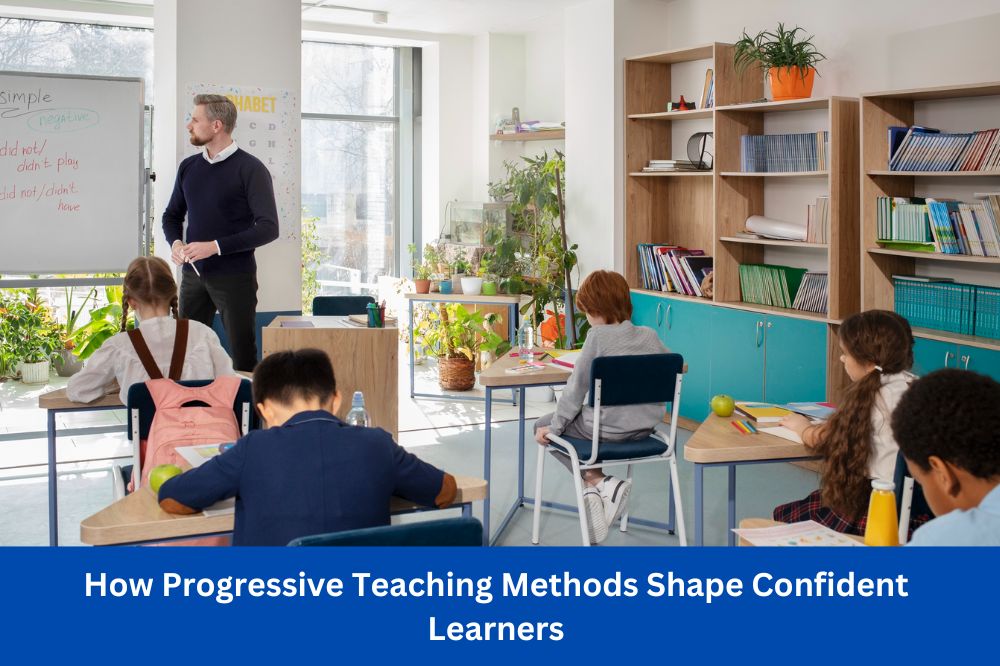
Classroom culture refers to the environment established within the classroom that influences students’ learning experiences. It is shaped by the relationships between students and teachers, the physical setting, classroom management practices, and the values upheld by the school. A positive classroom culture encourages open communication, collaboration, and mutual respect, creating a space where students feel comfortable learning and growing.
Classroom culture can affect several aspects of a child’s development, including social interactions, emotional regulation, and cognitive learning. When children feel emotionally safe and supported in the classroom, they are more likely to engage in learning, ask questions, participate in discussions, and explore their creativity—all of which contribute to building their confidence.
Key Elements of Positive Classroom Culture
- Supportive Teacher-Student Relationships : Teachers are central to creating a positive classroom culture. Their approach to interaction with students sets the tone for the entire learning environment. Supportive, empathetic, and patient teachers foster a climate where children feel safe to express themselves without fear of judgment. These positive relationships also enable teachers to identify and address the individual needs of students, offering personalized support that boosts confidence.
When students feel heard and respected by their teachers, they are more likely to develop trust in themselves and their abilities. Teachers who show interest in their students’ well-being, offer encouragement, and celebrate achievements contribute to fostering a sense of accomplishment in every child, thus nurturing their self-assurance. - Inclusive Environment : An inclusive classroom culture values diversity and promotes equality. By encouraging respect for different backgrounds, learning styles, and abilities, schools help students develop social skills and emotional intelligence. In an inclusive environment, students are not only taught academic content but also values like empathy, kindness, and cooperation.
When students feel that they are accepted for who they are, it creates a sense of belonging, which directly influences their confidence. An inclusive classroom culture allows children to be themselves and participate in all aspects of learning without fear of discrimination or exclusion.
How Positive Classroom Culture Builds Confidence in Young Learners
- Encourages Risk-Taking : Confidence often grows when children are given the freedom to take risks without the fear of failure or judgment. A classroom culture that celebrates effort and perseverance, rather than just outcomes, encourages young learners to try new things, experiment with ideas, and learn from their mistakes.
When students feel that their attempts—regardless of whether they succeed or fail—are valued, they are more likely to approach challenges with confidence. This helps them develop resilience, which is a crucial aspect of self-assurance. - Fosters Emotional Regulation : Classroom culture also impacts how students regulate their emotions. A positive environment that teaches emotional intelligence helps students identify and manage their feelings in constructive ways. When students can recognize and express their emotions appropriately, they are better equipped to deal with frustrations and setbacks, leading to increased self-confidence.
Social-emotional learning (SEL) programs in schools often focus on building self-awareness, self-management, social awareness, relationship skills, and responsible decision-making. These skills are essential for young learners to develop a healthy sense of confidence, enabling them to approach school life and personal interactions with a positive mindset.
Conclusion:
Classroom culture is an essential factor in shaping young learners’ confidence. A positive, inclusive, and supportive environment encourages students to actively participate, take risks, and engage in meaningful learning experiences. When students feel safe, respected, and valued in the classroom, they are more likely to believe in their abilities, build resilience, and develop a strong sense of self-assurance.
FAQs:
Q. 1 How does Banyan Tree School foster a positive classroom culture?
Ans : Banyan Tree School fosters a supportive, inclusive classroom culture through empathetic teaching, active student participation, and creating a safe space for learning and growth.
Q. 2 What role does the teacher-student relationship play at Banyan Tree School?
Ans : Teachers at Banyan Tree School build strong relationships with students, promoting trust and open communication, which significantly boosts student confidence and engagement.
Q. 3 How does Banyan Tree School promote emotional safety in the classroom?
Ans : Through clear behavioral guidelines and emotional support programs, Banyan Tree School ensures that every student feels valued, respected, and confident to take academic risks.
Q. 4 What strategies does Banyan Tree School use to encourage active participation?
Ans : Banyan Tree School employs group work, hands-on activities, and regular feedback, encouraging students to share their ideas and contribute, boosting their confidence and participation.
Q. 5 How do teachers at Banyan Tree School support shy or introverted students?
Ans : Teachers provide tailored support to shy students, gently encouraging them to participate and share their thoughts, building their confidence in a non-pressuring environment.
Q. 6 How does classroom culture affect academic performance at Banyan Tree School?
Ans : A positive classroom culture at Banyan Tree School fosters a growth mindset and self-belief, helping students overcome challenges and perform better academically.